
Exporting Agriculture and Livestock: markets, headings and fairs
Agriculture and livestock are among Spain's largest export sectors. The United States, Germany, and the Netherlands are the main buyers globally. To…
Published on 14 September 2026Updated on 28 September 2026
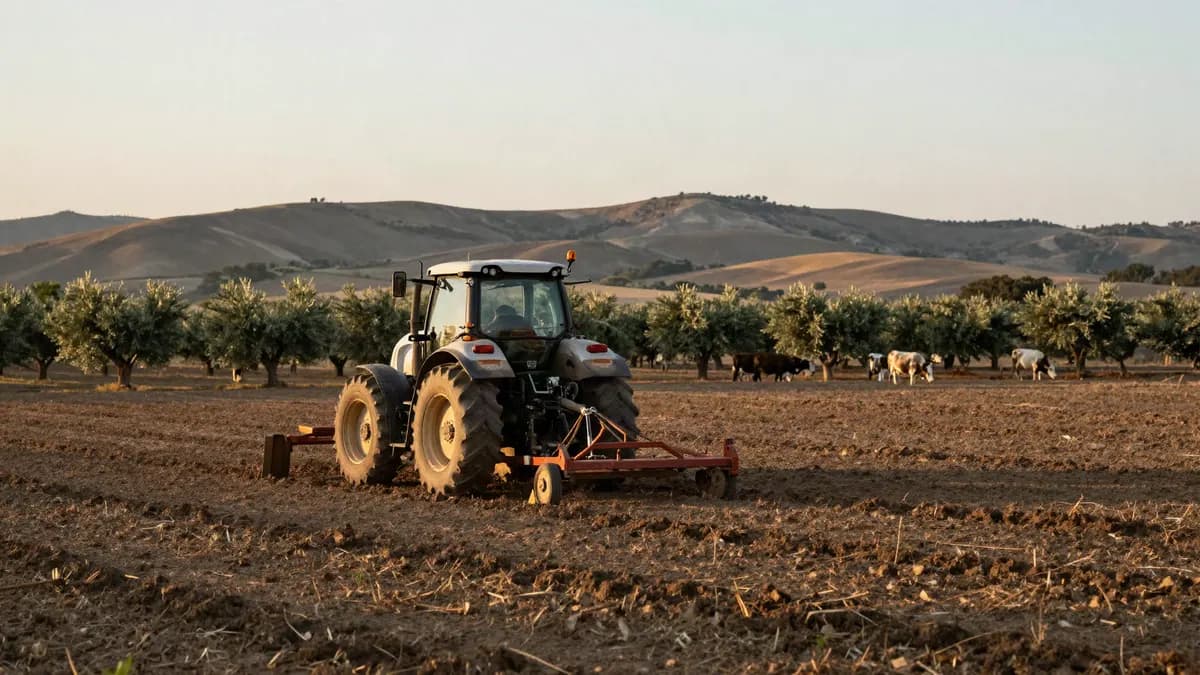
Agriculture and livestock are among Spain's largest export sectors. The United States, Germany, and the Netherlands are the main buyers globally. To export, you need to understand tariffs by product chapter, comply with EU food safety and animal health regulations, and prepare the correct documentation for each destination market.
Tariff chapters in this sector
- Animals; liveChapter 01
- Animal originated products; not elsewhere specified or includedChapter 05
- Trees and other plants, live; bulbs, roots and the like; cut flowers and ornamental foliageChapter 06
- Vegetables and certain roots and tubers; edibleChapter 07
- Fruit and nuts, edible; peel of citrus fruit or melonsChapter 08
- Coffee, tea, mate and spicesChapter 09
- CerealsChapter 10
- Oil seeds and oleaginous fruits; miscellaneous grains, seeds and fruit, industrial or medicinal plants; straw and fodderChapter 12
- Lac; gums, resins and other vegetable saps and extractsChapter 13
- Vegetable plaiting materials; vegetable products not elsewhere specified or includedChapter 14
- Food industries, residues and wastes thereof; prepared animal fodderChapter 23
- FertilizersChapter 31
Main importing markets
USD · 2024| Country | Imports (USD) |
|---|---|
| China | 114,794,642,948 |
| United States | 86,664,119,303 |
| Germany | 63,329,496,913 |
| Netherlands | 35,427,885,495 |
| France | 32,475,554,131 |
| Italy | 30,855,170,653 |
| United Kingdom | 30,661,166,160 |
| India | 27,806,203,475 |
| Japan | 27,007,836,722 |
| Spain | 26,351,610,506 |
| Brazil | 23,103,518,517 |
| Canada | 23,008,122,428 |
| Mexico | 22,390,777,318 |
| Poland | 18,479,832,468 |
| Belgium | 17,135,439,960 |
Imports declared by each country from the world. Countries report with a delay: the period is the latest with consolidated data.
Source: UN ComtradeData for 2024Verified on 28 September 2026
Trade fairs in this sector
What you need to know to export agriculture and livestock
Agriculture and livestock exports span multiple tariff chapters depending on whether you export live animals, fresh produce, processed foods, or plant materials. Each chapter has its own tariff rates, and rates vary by destination market. The tariff rate you pay depends on the destination country and the specific product classification.
As a Spanish exporter, you benefit from being part of the EU single market and its trade agreements. Within the EU, there are no tariffs; outside it, rates depend on bilateral or multilateral agreements. The United States, your largest export market, applies tariffs that vary widely by product: fresh fruit faces different rates than processed food or animal products.
Questions about exporting agriculture and livestock
What tariff rate applies to my product?
Tariff rates depend on your product's HS code (within chapters 01 to 14, 23, or 31 for this sector) and the destination country. Within the EU, there are no tariffs. Outside it, rates vary: the United States applies rates that range from zero to over 100% depending on the product. Use the EU's TARIC database or the importer's country tariff schedule to find the exact rate for your specific product and destination. Include this rate in your cost and pricing calculations.
Do I need a health certificate to export live animals or animal products?
Yes. Any product of animal origin—meat, dairy, eggs, honey, or even animal feed—requires a health certificate issued by Spain's competent authority (usually the regional government or veterinary service) before export. The certificate confirms the product meets the importing country's animal health and food safety standards. Request it early; it can take weeks to obtain. Live animals have additional requirements: quarantine periods, health testing, and transportation standards vary by country.
What happens if my shipment is rejected at the border?
Rejection usually occurs due to incorrect documentation, missing certificates, labeling errors, or failure to meet food safety standards. The importer bears immediate costs; you bear the cost of solving the problem and reshipping or disposing of the product. Prevention is far cheaper: verify all requirements before shipment, have documentation reviewed by a customs broker or your chamber of commerce, and test labeling with an importer in the destination country. Keep samples of packaging and certificates for each market.
Can I export fresh produce year-round?
Availability and seasonality depend on your product and climate. Spain produces most fresh vegetables and fruit seasonally, though imports from other regions can extend availability. Tariffs often include seasonal rates: lower rates during the destination country's off-season to protect local producers, higher rates during harvest. Check the tariff schedule for your product in your target market—it will show if seasonal rates apply and when they change.
Which markets pay the highest prices for Spanish agricultural products?
The United States, Germany, the Netherlands, and France are your largest export destinations by volume. Germany and the Netherlands are major hubs for redistribution within Europe. France and the UK are significant buyers of Spanish fresh produce. Outside Europe, the United States is the largest importer of agricultural products globally and often pays premiums for Spanish origin, particularly for olive oil, wine, and fresh fruit. India and Japan are growing markets. Research which of your specific products commands premiums in each market before investing in export logistics.
Bring this analysis to your product
Create your free account: Exporta.ai reads your website, detects your HS code and tells you which markets to export to, with official data.