
Food industries, residues and wastes… (chapter 23): which countries import it
Chapter 23 covers animal feed, oil cakes, bran and food industry residues. Global imports reached USD 65 billion in 2024, with China, Germany and the…
Published on 14 September 2026Updated on 27 September 2026
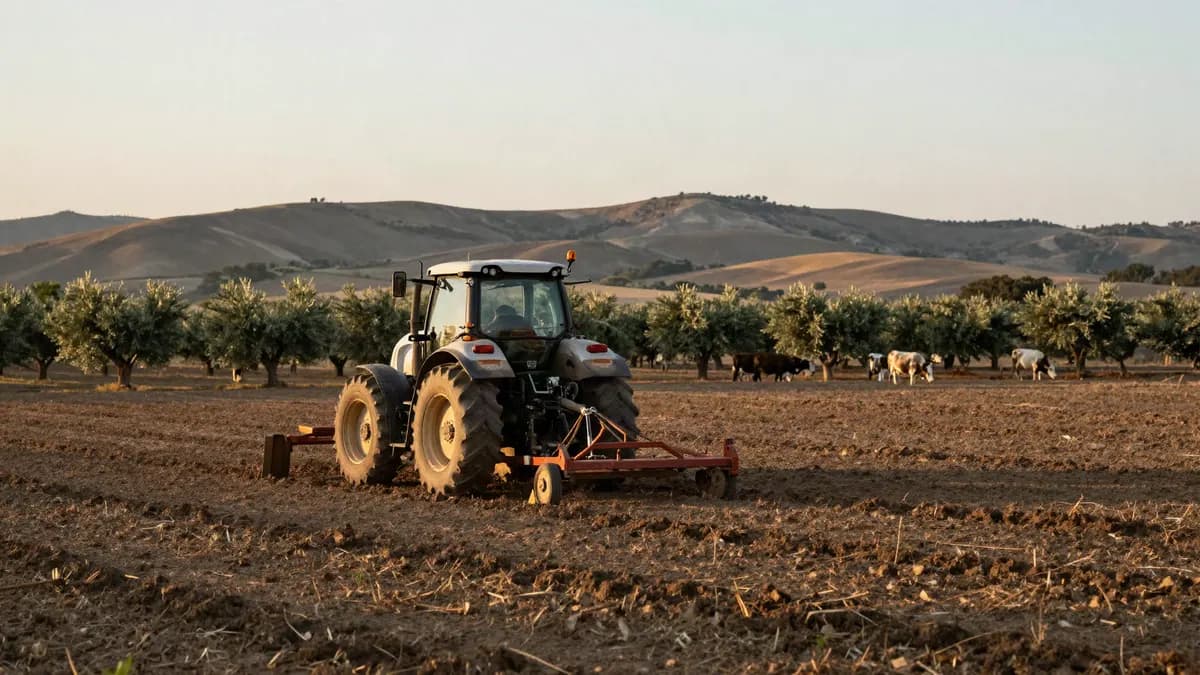
Chapter 23 covers animal feed, oil cakes, bran and food industry residues. Global imports reached USD 65 billion in 2024, with China, Germany and the United States as the largest buyers. Spain ranks among the top ten importers globally. Exports require phytosanitary certificates and compliance with feed safety regulations in destination markets.
Fact sheet
- Code
- 23
- Sector
- Agriculture and Livestock
Main importing markets
USD · 2024| Country | Imports (USD) |
|---|---|
| China | 7,231,952,977 |
| Germany | 7,029,492,547 |
| United States | 5,418,406,258 |
| United Kingdom | 4,589,606,855 |
| France | 4,246,815,016 |
| Netherlands | 4,127,934,280 |
| Poland | 3,722,669,586 |
| Indonesia | 3,427,009,542 |
| Italy | 3,162,942,411 |
| Spain | 3,126,727,781 |
| Japan | 2,829,225,338 |
| Türkiye | 2,612,555,732 |
| Canada | 2,553,968,469 |
| Mexico | 2,400,050,599 |
| Thailand | 2,339,532,614 |
Imports declared by each country from the world. Countries report with a delay: the period is the latest with consolidated data.
Source: UN ComtradeData for 2024Verified on 27 September 2026
Headings in this chapter
- Flours, meal and pellets, of meat or meat offal, of fish or of crustaceans, molluscs or other aquatic invertebrates, unfit for human consumption; greavesHeading 2301
- Bran, sharps and other residues; whether or not in the form of pellets derived from the sifting, milling or other working of cereals or of leguminous plantsHeading 2302
- Residues of starch manufacture, similar residues; beet-pulp, bagasse and other waste of sugar manufacture, brewing or distilling dregs and waste, whether or not in the form of pelletsHeading 2303
- Oil-cake and other solid residues; whether or not ground or in the form of pellets, resulting from the extraction of soya-bean oilHeading 2304
- Oil-cake and other solid residues; whether or not ground or in the form of pellets, resulting from the extraction of ground-nut oilHeading 2305
- Oil-cake and other solid residues; whether or not ground or in the form of pellets, resulting from the extraction of vegetable or microbial fats or oils, other than those of heading no. 2304 or 2305Heading 2306
- Wine lees; argolHeading 2307
- Vegetable materials and vegetable waste, vegetable residues and bi-products; whether or not in the form of pellets, of a kind used in animal feeding, not elsewhere specified or includedHeading 2308
- Preparations of a kind used in animal feedingHeading 2309
Trade fairs in this sector
What you need to know to export Chapter 23 products
Chapter 23 groups residues and by-products from food and oil industries intended for animal feed. The category includes oil cakes from soya and groundnuts, cereal bran, starch residues, brewery waste and prepared animal feed mixtures. These are inputs for livestock farming and pet food manufacturing rather than products for human consumption.
The main export markets are concentrated in Asia and Europe. China imports the most at USD 7.2 billion annually, followed by Germany with USD 7 billion. The United Kingdom, France and the Netherlands are also significant buyers. Spain itself is a top-ten importer of these products, meaning there is both local production for export and competitive sourcing from other EU countries.
Phytosanitary certificates are mandatory for exports outside the EU, as many Chapter 23 products are plant-based or derived from agricultural processing. Each destination country has specific requirements for residue testing, pesticide limits and microbiological safety. Check with your importer's customs authority before shipment.
Tariff rates in Chapter 23 vary by heading and destination. Most oil cakes enter the EU duty-free under preferential agreements, but your margin depends on whether your buyer qualifies for those rates. Request the exact HS code from your importer to confirm the applicable tariff in their country.
Common questions about exporting Chapter 23 products
Do I need a phytosanitary certificate to export animal feed to the EU?
No. Transfers of feed within the EU do not require phytosanitary certificates. You do need feed hygiene compliance and traceability documentation. Phytosanitary certificates are required only for exports to non-EU countries.
What's the difference between oil cakes (Heading 2304-2306) and prepared animal feed (Heading 2309)?
Oil cakes are solid residues left after extracting oil from seeds or nuts—essentially a single-ingredient by-product. Prepared animal feed is a mixture of ingredients formulated to meet nutritional standards for specific livestock. They face different regulatory requirements and tariff treatments depending on the destination.
Which countries have the strictest import rules for Chapter 23?
Japan and the United States have rigorous feed safety standards and require detailed documentation of origin, composition and testing. The EU also enforces strict contamination limits. Verify your buyer's specific requirements early; some importers may require third-party lab certification before accepting shipments.
How do I know the right HS code for my product?
Your product's classification depends on its composition, origin and use. Ask your buyer for their HS code, or consult Spain's Customs Authority (AEAT) tariff database using product samples and descriptions. Misclassification can result in penalties or shipment delays.
Bring this analysis to your product
Create your free account: Exporta.ai reads your website, detects your HS code and tells you which markets to export to, with official data.