
Cereals (chapter 10): which countries import it
Chapter 10 covers cereals: wheat, barley, rice, maize and others. Global imports reached USD 87 billion in 2024. China, Mexico and Egypt are the largest…
Published on 14 September 2026Updated on 27 September 2026
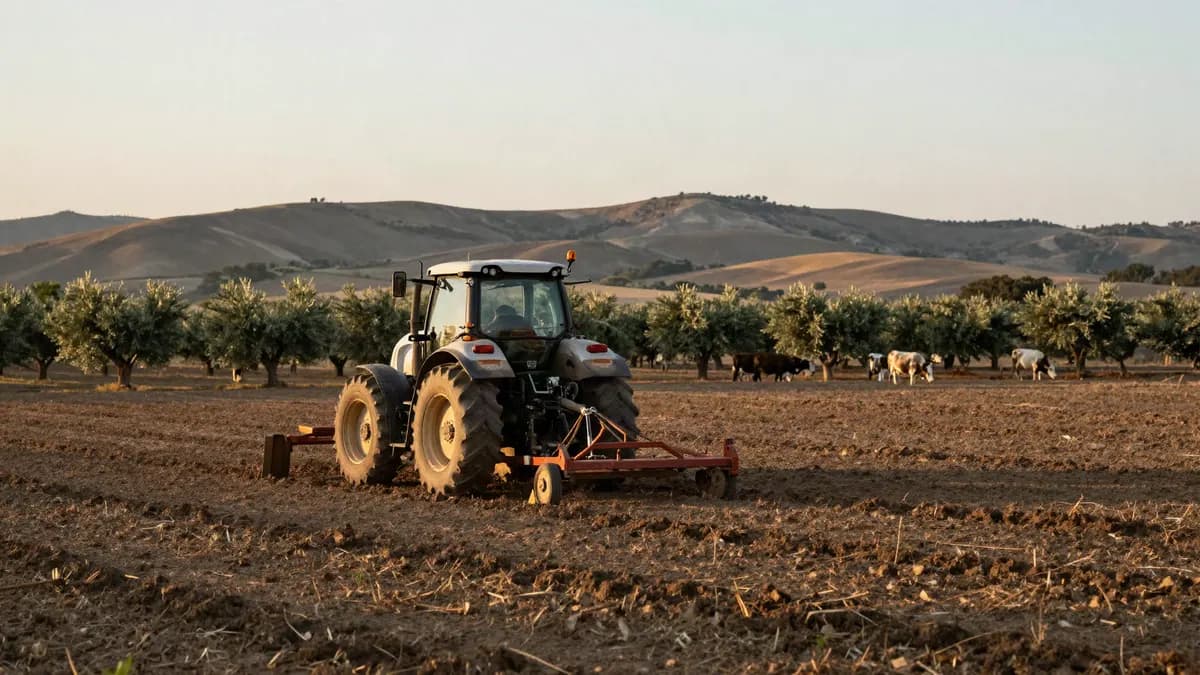
Chapter 10 covers cereals: wheat, barley, rice, maize and others. Global imports reached USD 87 billion in 2024. China, Mexico and Egypt are the largest importers. Spanish exporters must meet phytosanitary requirements, labeling rules and destination-specific standards. Tariffs vary by country and product.
Fact sheet
- Code
- 10
- Sector
- Agriculture and Livestock
Main importing markets
USD · 2024| Country | Imports (USD) |
|---|---|
| China | 14,786,787,466 |
| Mexico | 8,179,909,620 |
| Egypt | 6,771,229,407 |
| Japan | 6,685,923,206 |
| Italy | 5,456,623,541 |
| Saudi Arabia | 5,312,997,079 |
| Algeria | 4,594,832,435 |
| Spain | 4,550,015,767 |
| South Korea | 4,443,868,497 |
| Philippines | 4,179,319,098 |
| Indonesia | 3,748,025,174 |
| Netherlands | 3,459,283,940 |
| Germany | 3,334,096,526 |
| United States | 3,174,936,393 |
| Türkiye | 2,969,561,472 |
Imports declared by each country from the world. Countries report with a delay: the period is the latest with consolidated data.
Source: UN ComtradeData for 2024Verified on 27 September 2026
Headings in this chapter
- Wheat and meslinHeading 1001
- RyeHeading 1002
- BarleyHeading 1003
- OatsHeading 1004
- Maize (corn)Heading 1005
- RiceHeading 1006
- Grain sorghumHeading 1007
- Buckwheat, millet and canary seeds; other cerealsHeading 1008
Trade fairs in this sector
What you need to export cereals from Spain
Cereals are classified in HS chapter 10 and include wheat, rye, barley, oats, maize, rice and grain sorghum. Each heading covers a specific cereal and different processing levels: some headings include only raw grain, others also cover hulled, ground or otherwise processed forms.
Spain exports cereals to over 100 countries, but regulatory and tariff requirements differ by destination. Before shipment, confirm the exact HS code with your destination market: a single cereal can fall under different headings depending on processing, moisture content and grain size.
EU labeling rules apply to all cereals: origin marking, weight, lot number and allergen information are standard. If the cereal is processed (milled, flaked or otherwise modified), nutritional information may also be required. Destination markets often add their own labeling rules; check before shipping.
Packaging standards differ by destination. Some markets require specific sack sizes, moisture declarations or storage condition labels. Check with your buyer or freight forwarder whether your packaging meets the destination's import rules.
Questions about exporting cereals
Do I need a phytosanitary certificate to export cereals?
Yes. All cereals exports require a phytosanitary certificate issued by Spain's Ministry of Agriculture. Request it from your regional agricultural office at least two weeks before shipment. The certificate confirms the grain is free from regulated pests and complies with destination rules. Some countries also require a pre-shipment inspection by a third party.
What's the difference between the HS codes for wheat in chapter 10?
Heading 1001 covers wheat and meslin (a wheat-rye mix). Within that heading, subheadings distinguish durum wheat (1001.10) from common wheat (1001.90). Durum wheat, used for pasta, is often subject to different tariffs and requires separate classification. Check the exact subheading with your customs broker before quoting to buyers.
Which markets offer the best opportunities for Spanish cereals?
China, Mexico and Egypt are the largest importers globally. However, tariff rates, quotas and phytosanitary rules vary. Mexico and the United States, as USMCA partners, may have preferential rates; check current trade agreements. Middle Eastern markets (Saudi Arabia, Egypt) are growing but require strict certification. A trade advisor can help identify the best match for your product and costs.
Are there export subsidies or public support for cereals?
Spain and the EU no longer provide direct export subsidies for cereals. However, regional development programs, export credit lines and trade promotion support may be available through ICEX, ACCIÓ (Catalonia) or your regional chamber of commerce. Check current programs; they change annually.
How long does a cereals shipment take and what documents do I need?
Lead time depends on destination and mode. By sea to Asia or Africa: 3–6 weeks plus 1–2 weeks for customs clearance. Documents required: invoice, packing list, phytosanitary certificate, bill of lading, and destination-specific certificates (organic, non-GMO or others if applicable). Your freight forwarder will guide you through the checklist for your destination.
Bring this analysis to your product
Create your free account: Exporta.ai reads your website, detects your HS code and tells you which markets to export to, with official data.