
Oil seeds and oleaginous fruits… (chapter 12): which countries import it
Chapter 12 covers oil seeds, oleaginous fruits, and miscellaneous grains used for industrial or food purposes. Global imports exceeded USD 115 billion in…
Published on 15 September 2026Updated on 27 September 2026
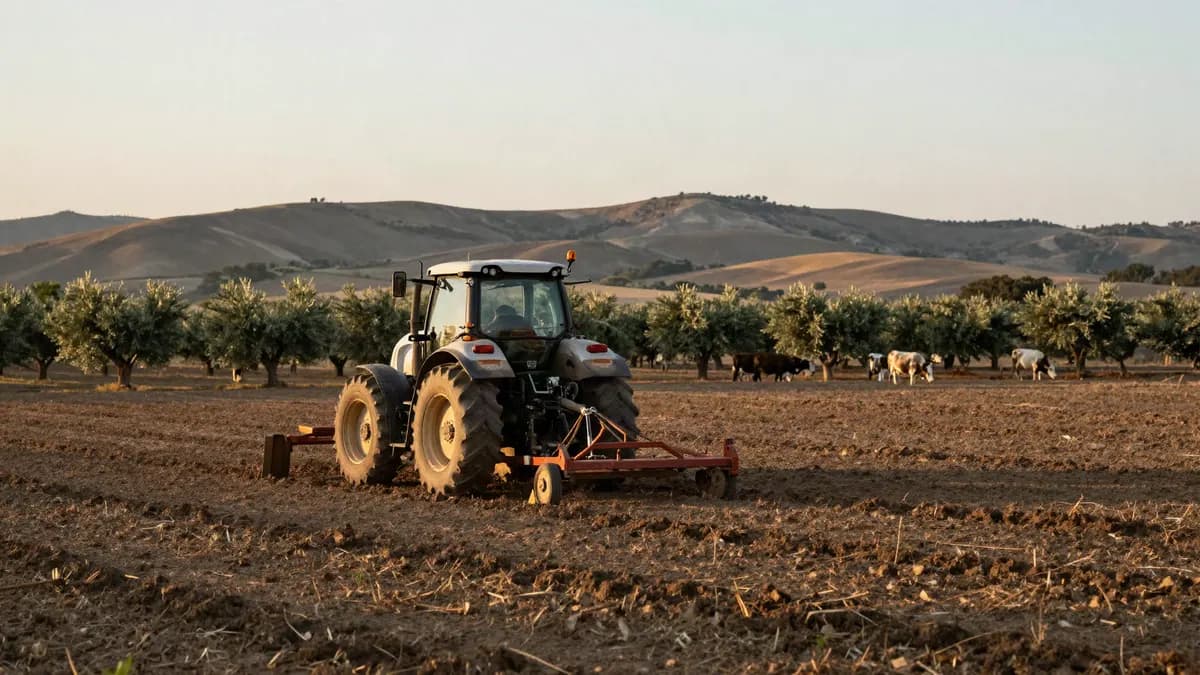
Chapter 12 covers oil seeds, oleaginous fruits, and miscellaneous grains used for industrial or food purposes. Global imports exceeded USD 115 billion in 2024, with China, Germany, and Japan as the largest buyers. Spain exported USD 2.6 billion to this segment, ranking ninth globally among importers.
Fact sheet
- Code
- 12
- Sector
- Agriculture and Livestock
Main importing markets
USD · 2024| Country | Imports (USD) |
|---|---|
| China | 61,496,746,044 |
| Germany | 7,950,232,711 |
| Japan | 5,191,128,110 |
| Mexico | 4,629,974,555 |
| Netherlands | 4,245,581,649 |
| Türkiye | 3,358,047,685 |
| United States | 2,671,355,868 |
| France | 2,658,758,104 |
| Spain | 2,645,192,872 |
| Egypt | 2,542,301,211 |
| Argentina | 2,361,168,214 |
| Belgium | 2,304,394,360 |
| Thailand | 2,242,075,503 |
| Italy | 2,137,741,401 |
| United Kingdom | 1,893,688,142 |
Imports declared by each country from the world. Countries report with a delay: the period is the latest with consolidated data.
Source: UN ComtradeData for 2024Verified on 27 September 2026
Headings in this chapter
- Soya beans, whether or not brokenHeading 1201
- Ground-nuts; not roasted or otherwise cooked, whether or not shelled or brokenHeading 1202
- CopraHeading 1203
- Oil seeds; linseed, whether or not brokenHeading 1204
- Rape or colza seeds; whether or not brokenHeading 1205
- Sunflower seeds; whether or not brokenHeading 1206
- Oil seeds and oleaginous fruits, n.e.c. in chapter 12; whether or not brokenHeading 1207
- Flours and meals of oil seeds or oleaginous fruits; other than those of mustardHeading 1208
- Seeds, fruit and spores; of a kind used for sowingHeading 1209
- Hop cones, fresh or dried, whether or not ground, powdered or in the form of pellets; lupulinHeading 1210
- Plants and parts of plants (including seeds and fruits), of a kind used primarily in perfumery, in pharmacy or for insecticidal, fungicidal or similar purposes, fresh, chilled, frozen or dried, whether or not cut, crushed or powderedHeading 1211
- Locust beans, seaweeds and other algae, sugar beet, sugar cane, fresh, chilled, frozen or dried, whether or not ground; fruit stones, kernels and other vegetable products (including unroasted chicory roots) used primarily for human consumption, n.e.c.Heading 1212
- Cereal straw and husks, unprepared; whether or not chopped, ground, pressed or in the form of pelletsHeading 1213
- Swedes, mangolds, fodder roots, hay, lucerne (alfalfa), clover, sainfoin, forage kale, lupines, vetches and similar forage products, whether or not in the form of pelletsHeading 1214
Trade fairs in this sector
What you need to know to export Chapter 12 products
Chapter 12 groups 14 different product categories, from soya beans and sunflower seeds to seaweeds and forage products. Each heading has its own tariff rates, phytosanitary requirements, and market conditions. You must identify which heading matches your product before calculating duties or planning shipments.
Oil seeds are the largest segment by value. Soya beans, rape seeds, and sunflower seeds account for the majority of trade flows. These commodities trade on global exchanges and their prices fluctuate daily, so your competitiveness depends partly on currency and timing rather than your control alone.
Tariff rates vary widely by destination and product. The EU's Access2Markets tool shows the rate for each heading and importing country; a soya bean shipment to China faces a different duty than one to Mexico. Verify the exact rate for your heading and destination before quoting.
Spain exported USD 2.6 billion of Chapter 12 products globally in 2024. Your main competitors are Argentina, France, and the Netherlands. Understand their typical pricing, certifications, and market presence in your target country.
Common questions
How do I know the tariff rate for my product?
Use the HS code for your specific product (between 1201 and 1214) and check Access2Markets or your destination country's tariff schedule. The rate depends on your origin (Spain in this case) and the importer's country. Email the customs authority of the destination for confirmation if the schedule is unclear.
Why does China import so much more than other countries?
China imported USD 61.5 billion of Chapter 12 products in 2024, mostly soya beans for animal feed and industrial use. Its large livestock and food processing industries, combined with domestic production limits, drive constant demand. This makes it the largest and most price-sensitive market.
Can I export Chapter 12 products to the UK after Brexit?
Yes, but the UK now has its own tariff rates and phytosanitary requirements separate from the EU. Check the UK Global Tariff and the UK's plant health rules. The importer will also bear additional customs procedures, which may affect their willingness to buy from you versus EU suppliers.
Bring this analysis to your product
Create your free account: Exporta.ai reads your website, detects your HS code and tells you which markets to export to, with official data.