
Trees and other plants, live; bulbs… (chapter 06): which countries import it
Chapter 06 covers live plants, bulbs, cut flowers and ornamental foliage. The US, Germany and the Netherlands are the largest importers worldwide. Spain…
Published on 14 September 2026Updated on 27 September 2026
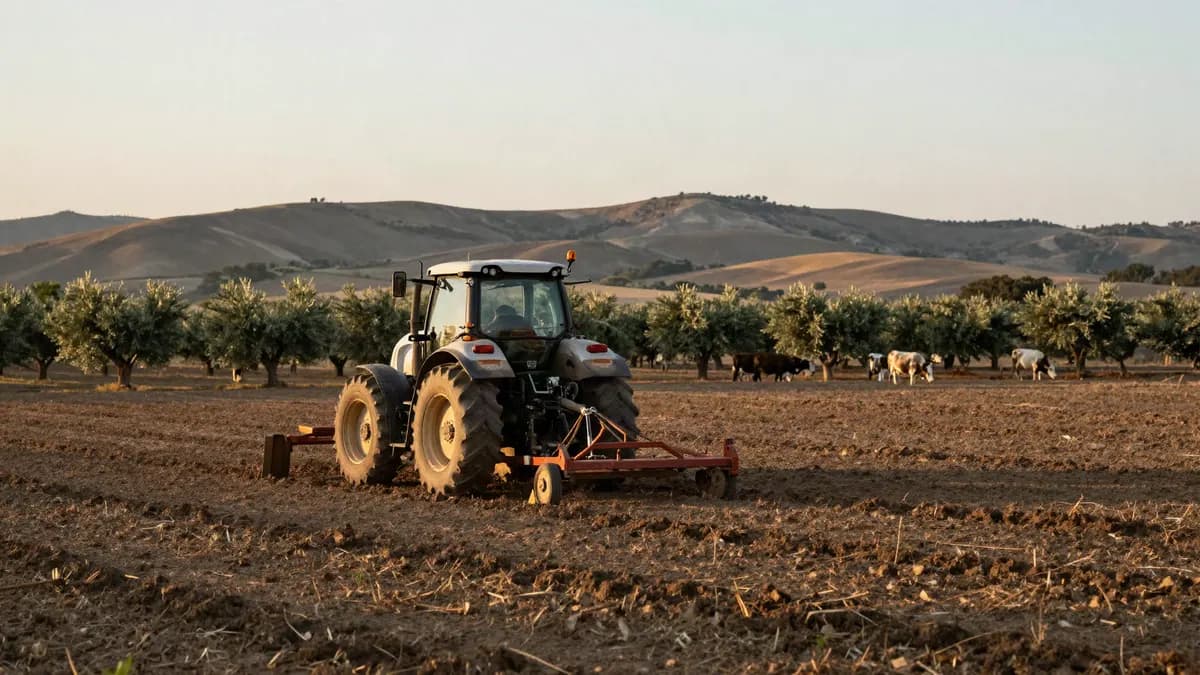
Chapter 06 covers live plants, bulbs, cut flowers and ornamental foliage. The US, Germany and the Netherlands are the largest importers worldwide. Spain exported USD 467.6 million in 2025. These products require phytosanitary certificates, cold chain management and compliance with destination country plant health regulations.
Fact sheet
- Code
- 06
- Sector
- Agriculture and Livestock
Main importing markets
USD · 2025| Country | Imports (USD) |
|---|---|
| United States | 4,046,926,030 |
| Germany | 4,012,638,918 |
| Netherlands | 2,760,304,911 |
| United Kingdom | 2,039,504,640 |
| France | 1,354,729,908 |
| Italy | 1,034,635,471 |
| Poland | 790,200,020 |
| Switzerland | 716,011,419 |
| Canada | 583,205,792 |
| Austria | 554,827,882 |
| Belgium | 548,749,188 |
| Japan | 527,137,212 |
| Spain | 467,602,930 |
| Denmark | 427,507,202 |
| Romania | 360,923,290 |
Imports declared by each country from the world. Countries report with a delay: the period is the latest with consolidated data.
Source: UN ComtradeData for 2025Verified on 27 September 2026
Headings in this chapter
- Bulbs, tubers, tuberous roots, corms, crowns and rhizomes; dormant, in growth or in flower; chicory plants and roots other than roots of heading no. 1212Heading 0601
- Plants, live; n.e.c. in heading no. 0601, (including their roots) cuttings and slips; mushroom spawnHeading 0602
- Flowers; cut flowers and flower buds of a kind suitable for bouquets or for ornamental purposes, fresh, dried, dyed, bleached, impregnated or otherwise preparedHeading 0603
- Foliage, branches and other parts of plants, without flowers or flower buds, and grasses, mosses and lichens; suitable for bouquets or for ornamental purposes, fresh, dried, dyed, bleached, impregnated etc.Heading 0604
Trade fairs in this sector
Export requirements for live plants and cut flowers
All shipments of live plants, bulbs, cut flowers and ornamental foliage from Spain require a phytosanitary certificate issued by your national plant health authority. This document certifies that the consignment has been inspected and is free from regulated pests and diseases.
Cut flowers and foliage must maintain cold chain integrity from harvest to delivery. Temperature control during transport and storage is critical to preserve quality and compliance with buyer specifications.
Some ornamental plants are subject to CITES regulations if they are protected species. Check whether your product appears on the CITES Appendices before exporting.
Frequently asked questions
What is a phytosanitary certificate and how do I get one?
A phytosanitary certificate is an official document issued by your country's plant protection authority confirming that your shipment meets plant health standards. In Spain, this is issued by the competent regional authority or the national plant health service. You must request it before export, and the certificate travels with the shipment to prove compliance at the destination.
Do cut flowers need special handling during export?
Yes. Cut flowers are perishable and require continuous refrigeration from harvest through delivery. Maintain temperatures between 0 and 4°C, use appropriate packaging to prevent dehydration and damage, and minimize transit time. Your buyer will specify exact temperature and humidity requirements.
Which countries outside the EU offer the best opportunities?
The US is the largest importer of Chapter 06 products worldwide (USD 4.0 billion in 2025), followed by Canada. Both require APHIS phytosanitary compliance. Japan, Switzerland and the UK are also significant importers with their own specific plant health rules. Tariffs and entry requirements vary by destination.
Are there restrictions on the types of plants I can export?
Yes. Some plant species are protected under CITES and require special permits. Additionally, certain plant pests and diseases are regulated by the destination country, which may prohibit or restrict entry of specific species or genera. Check the destination country's plant health requirements before committing to a supply.
What documentation do I need to export to the UK or other non-EU countries?
Outside the EU, you need a phytosanitary certificate, a commercial invoice, a packing list, and proof of origin (often a certificate of origin). The UK and other countries may require additional permits or pre-notification. Import tariffs and trade agreements also apply. Confirm exact requirements with your buyer and the destination country's plant health authority.
Bring this analysis to your product
Create your free account: Exporta.ai reads your website, detects your HS code and tells you which markets to export to, with official data.