
Vegetables and certain roots and tubers… (chapter 07): which countries import it
Chapter 07 groups fresh, frozen and dried vegetables plus certain roots and tubers. The US, Germany and the UK are the largest importers worldwide. If…
Published on 15 September 2026Updated on 27 September 2026
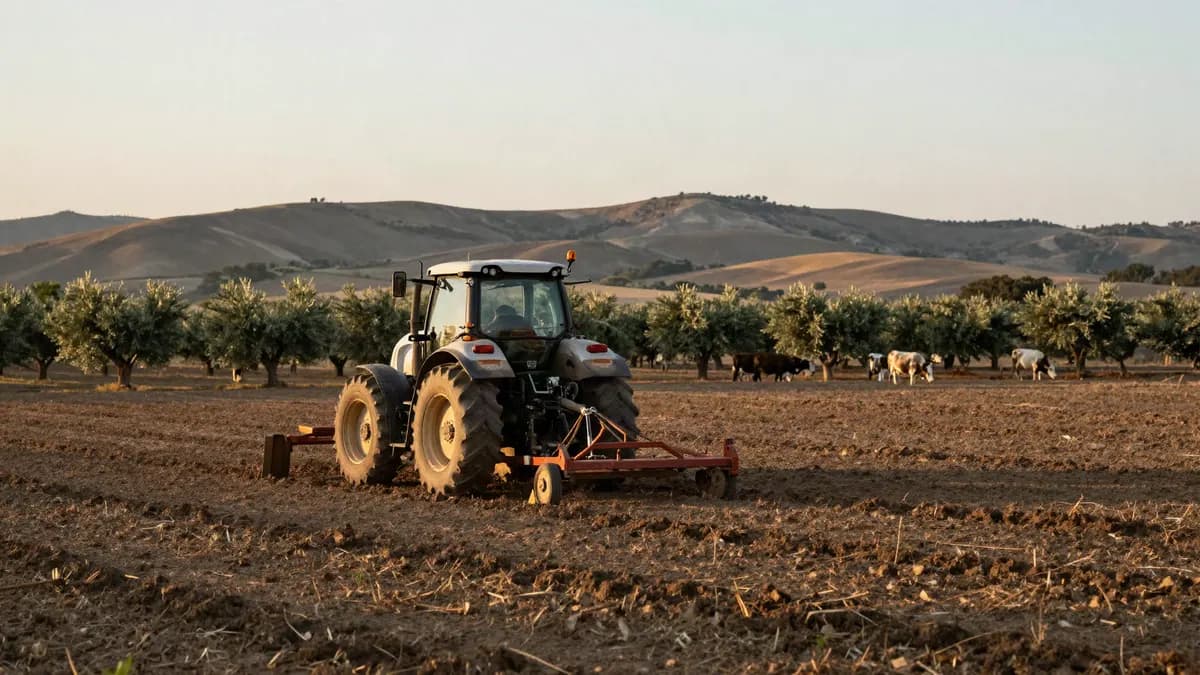
Chapter 07 groups fresh, frozen and dried vegetables plus certain roots and tubers. The US, Germany and the UK are the largest importers worldwide. If you export from Spain, you compete in a mature, regulated market where certification, cold chain and phytosanitary compliance determine market access.
Fact sheet
- Code
- 07
- Sector
- Agriculture and Livestock
Main importing markets
USD · 2025| Country | Imports (USD) |
|---|---|
| United States | 14,349,954,565 |
| Germany | 9,763,724,121 |
| United Kingdom | 5,373,283,845 |
| France | 5,017,202,532 |
| India | 4,290,940,207 |
| Netherlands | 3,670,421,264 |
| Canada | 3,575,295,428 |
| Belgium | 2,941,540,902 |
| Italy | 2,812,958,248 |
| Spain | 2,626,947,891 |
| Japan | 2,488,902,013 |
| China | 1,987,937,181 |
| Poland | 1,851,534,576 |
| Thailand | 1,513,587,748 |
| Malaysia | 1,206,120,460 |
Imports declared by each country from the world. Countries report with a delay: the period is the latest with consolidated data.
Source: UN ComtradeData for 2025Verified on 27 September 2026
Headings in this chapter
- Potatoes; fresh or chilledHeading 0701
- Tomatoes; fresh or chilledHeading 0702
- Onions, shallots, garlic, leeks and other alliaceous vegetables; fresh or chilledHeading 0703
- Cabbages, cauliflowers, kohlrabi, kale and similar edible brassicas; fresh or chilledHeading 0704
- Lettuce (lactuca sativa) and chicory (cichorium spp.) fresh or chilledHeading 0705
- Carrots, turnips, salad beetroot, salsify, celeriac, radishes and similar edible roots; fresh or chilledHeading 0706
- Cucumbers and gherkins; fresh or chilledHeading 0707
- Leguminous vegetables; shelled or unshelled, fresh or chilledHeading 0708
- Vegetables; n.e.c. in chapter 07, fresh or chilledHeading 0709
- Vegetables (uncooked or cooked by steaming or boiling in water); frozenHeading 0710
- Vegetables provisionally preserved, but unsuitable in that state for immediate consumptionHeading 0711
- Vegetables, dried; whole, cut, sliced, broken or in powder, but not further preparedHeading 0712
- Vegetables, leguminous; shelled, whether or not skinned or split, driedHeading 0713
- Manioc, arrowroot, salep, Jerusalem artichokes, sweet potatoes and similar roots and tubers with high starch or inulin content; fresh, chilled, frozen or dried, whether or not sliced or in the form of pellets; sago pithHeading 0714
Trade fairs in this sector
What to know before exporting vegetables from Spain
Spain is both a large producer and exporter of vegetables in Chapter 07. Your advantage is proximity to European markets and established cold chain infrastructure; your challenge is price competition from lower-cost producers and strict EU phytosanitary rules that also apply when you export outside the bloc.
Tariffs in the US vary by heading: fresh tomatoes, potatoes and onions face different rates. Peak season tariffs may be higher than off-season to protect domestic producers. Verify the exact code and current rate in the US International Trade Commission database before quoting.
For shipments to India or other Asian importers, cold chain capacity and shelf life are critical: vegetables must arrive in export condition after 15–30 days at sea. Many importers ask for independent quality certificates at origin.
The EU market (Germany, France, Netherlands) applies the same phytosanitary standards as Spain, but volumes are large and price pressure is intense. Your edge is speed of delivery and consistency rather than unit cost.
Frequently asked questions
Why do US tariffs on vegetables change by season?
The US uses temporary tariff increases (called 'seasonal rates') during peak domestic harvest to protect US growers. These typically apply for 4–6 months per year, depending on the vegetable. Check the USITC for the dates and rates that apply to your product heading.
What is the biggest barrier to exporting vegetables to Asia?
Distance and shelf life. Most Asian importers require the vegetable to arrive in export condition after 20–30 days at sea. This demands high-quality cold chain, specialized packaging and often compliance with their own pesticide residue limits, which may differ from EU standards. Confirm these limits with your importer before the first shipment.
Bring this analysis to your product
Create your free account: Exporta.ai reads your website, detects your HS code and tells you which markets to export to, with official data.