
Fruit and nuts, edible; peel of citrus… (chapter 08): which countries import it
Chapter 08 covers edible fruit, nuts and citrus peel. The US is the largest importer at USD 25.7 billion annually, followed by China and Germany. Spain…
Published on 16 September 2026Updated on 27 September 2026
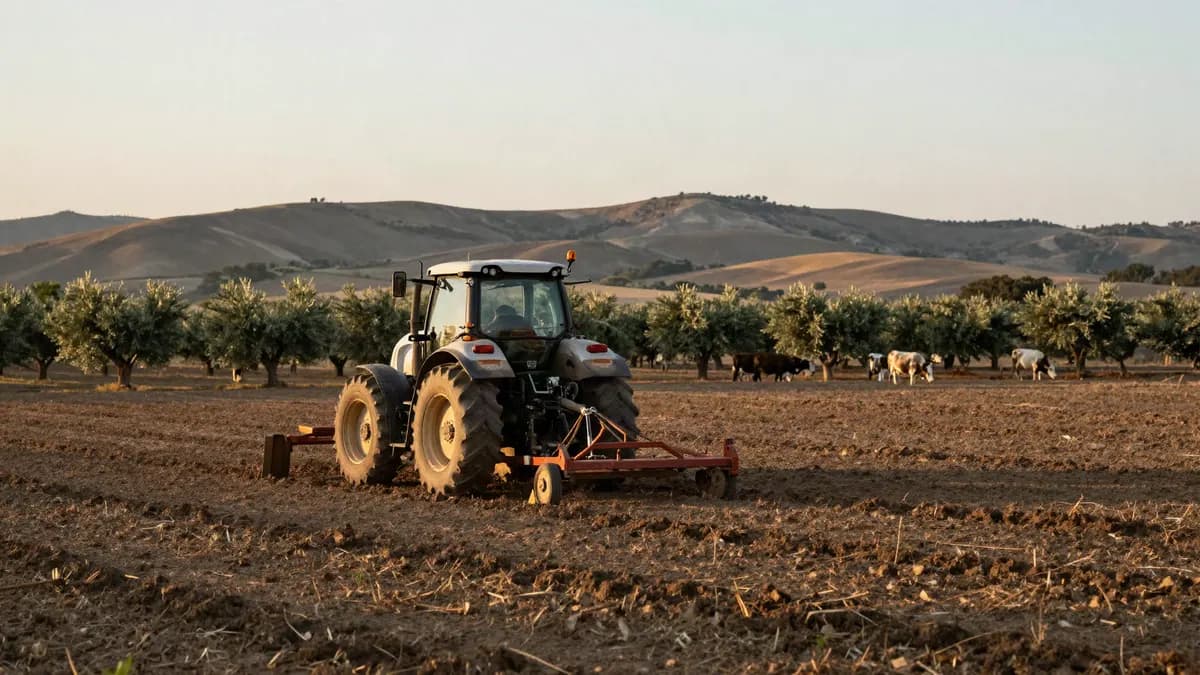
Chapter 08 covers edible fruit, nuts and citrus peel. The US is the largest importer at USD 25.7 billion annually, followed by China and Germany. Spain ranks eighth globally with USD 5.98 billion in imports. Export success depends on phytosanitary certification, cold chain management and tariff knowledge for each product heading.
Fact sheet
- Code
- 08
- Sector
- Agriculture and Livestock
Main importing markets
USD · 2025| Country | Imports (USD) |
|---|---|
| United States | 25,664,980,662 |
| China | 20,161,347,835 |
| Germany | 16,321,875,260 |
| Netherlands | 10,450,241,978 |
| United Kingdom | 8,290,997,571 |
| France | 8,195,503,777 |
| Canada | 6,327,451,073 |
| Spain | 5,983,585,958 |
| Italy | 5,714,147,050 |
| India | 5,586,097,132 |
| Poland | 3,862,464,291 |
| Japan | 3,556,192,775 |
| Belgium | 3,133,239,438 |
| Hong Kong SAR China | 3,116,867,318 |
| Türkiye | 2,301,044,846 |
Imports declared by each country from the world. Countries report with a delay: the period is the latest with consolidated data.
Source: UN ComtradeData for 2025Verified on 27 September 2026
Headings in this chapter
- Nuts, edible; coconuts, Brazil nuts and cashew nuts, fresh or dried, whether or not shelled or peeledHeading 0801
- Nuts (excluding coconuts, Brazils and cashew nuts); fresh or dried, whether or not shelled or peeledHeading 0802
- Bananas, including plantains; fresh or driedHeading 0803
- Dates, figs, pineapples, avocados, guavas, mangoes and mangosteens; fresh or driedHeading 0804
- Citrus fruit; fresh or driedHeading 0805
- Grapes; fresh or driedHeading 0806
- Melons (including watermelons) and papaws (papayas); freshHeading 0807
- Apples, pears and quinces; freshHeading 0808
- Apricots, cherries, peaches (including nectarines), plums and sloes, freshHeading 0809
- Fruit, fresh; n.e.c. in chapter 08Heading 0810
- Fruit and nuts; uncooked or cooked by steaming or boiling in water, frozen, whether or not containing added sugar or other sweetening matterHeading 0811
- Fruit and nuts provisionally preserved, but unsuitable in that state for immediate consumptionHeading 0812
- Fruit, dried, other than that of heading no. 0801 to 0806; mixtures of nuts or dried fruits of this chapterHeading 0813
- Peel of citrus fruit or melons (including watermelons); fresh, frozen dried or provisionally preserved in brine, in sulphur water or in other preservative solutionsHeading 0814
Trade fairs in this sector
What to know before exporting fruit and nuts
Chapter 08 groups 14 product headings, from nuts and bananas to citrus, grapes and dried fruit. Each heading has its own tariff rate, so the first step is identifying which one applies to your product. Spain exported USD 5.98 billion of Chapter 08 products in 2025, ranking among the world's top suppliers.
Tariff rates vary by heading and destination. The US, China and Germany together account for over 62 billion USD in Chapter 08 imports. Each market applies different duty rates and has different rules of origin. Use the product heading to find the exact rate in the importer's tariff schedule.
Common questions about exporting fruit and nuts
Which countries import the most fruit and nuts?
The United States leads with USD 25.7 billion in annual imports, followed by China (USD 20.2 billion) and Germany (USD 16.3 billion). Spain itself is the eighth-largest importer at USD 5.98 billion, making intra-European trade a significant opportunity.
Do I need different certifications for each country?
Yes. All countries require a phytosanitary certificate from Spain's ministry. Beyond that, each destination may add specific requirements: cold treatment certificates, pest-free zones, fumigation records or organic certification. Request the full list from your importer before production.
What tariffs do I face?
Tariffs depend on the product heading (08.01 to 08.14), the destination country and any trade agreement. Spain has preferential rates within the EU. For non-EU buyers, rates range from zero to 15% or higher depending on the product and season. Check the importer's tariff database for the exact rate before quoting.
How long does fresh fruit stay export-ready?
This depends on the product. Bananas typically have 7–14 days; apples and pears, several weeks with cold storage; citrus, up to 8 weeks. Dried fruit and nuts last months. Plan logistics around shelf life: a long sea route requires a product that tolerates transit time.
What is the difference between headings 08.01 and 08.02?
Heading 08.01 covers nuts with high commercial value: coconuts, Brazil nuts and cashew nuts. Heading 08.02 covers all other edible nuts: almonds, hazelnuts, walnuts and pistachios. Each has its own tariff rate and destination regulations.
Bring this analysis to your product
Create your free account: Exporta.ai reads your website, detects your HS code and tells you which markets to export to, with official data.