
Barley (heading 1003): importing markets
Barley is classed under HS heading 1003, in chapter 10 (Cereals), with three subheadings. In 2024, China was the largest importer by value, with about…
Published on 25 October 2026Updated on 25 October 2026
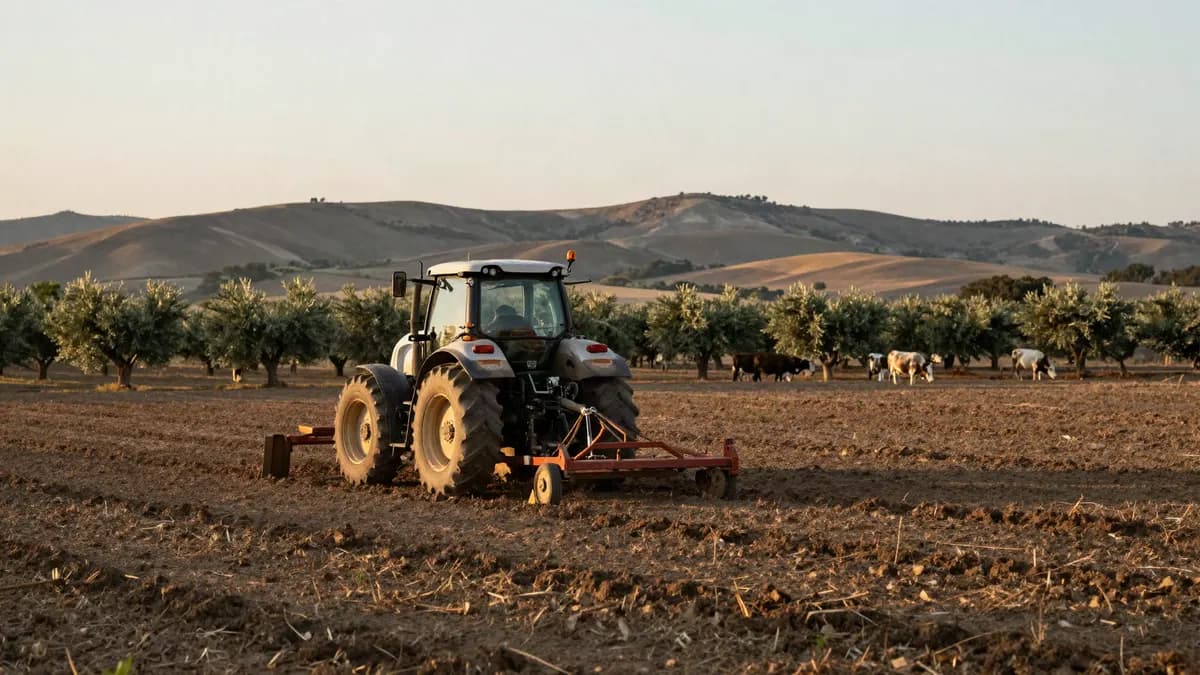
Barley is classed under HS heading 1003, in chapter 10 (Cereals), with three subheadings. In 2024, China was the largest importer by value, with about 3.8 billion USD declared to UN Comtrade, followed by Saudi Arabia at about 1.2 billion USD. For a company exporting from Spain, demand is concentrated in a few markets, and the subheading chosen determines the tariff and the paperwork.
Fact sheet
- Code
- 1003
- Chapter
- 10 · Cereals
- Subheadings
- 3
Main importing markets
USD · 2024| Country | Imports (USD) |
|---|---|
| China | 3,793,729,345 |
| Saudi Arabia | 1,239,884,484 |
| Netherlands | 548,539,552 |
| Belgium | 461,114,584 |
| Japan | 319,336,583 |
| Brazil | 271,005,505 |
| Germany | 233,139,680 |
| Türkiye | 217,443,019 |
| Algeria | 210,676,688 |
| Italy | 188,079,610 |
| Tunisia | 180,663,655 |
| Jordan | 173,532,839 |
| Morocco | 173,015,061 |
| Spain | 131,187,809 |
| Ireland | 124,385,261 |
Imports declared by each country from the world. Countries report with a delay: the period is the latest with consolidated data.
Source: UN ComtradeData for 2024Verified on 25 October 2026
What to know before exporting barley from Spain
Heading 1003 covers barley and has three subheadings. The subheading is the first thing to settle, because tariffs, statistics and customs documents are tied to the full code and not to the four-digit heading. Check which subheading your product falls under before quoting any market.
Demand is concentrated. In the 2024 table above, China and Saudi Arabia stand far ahead of the rest, and the Netherlands and Belgium follow at a distance. The list mixes very different buyers, from large importing countries in Asia and the Middle East to European ports that re-distribute goods. Imports declared by a country do not tell you how much of it is consumed locally.
For a company exporting from Spain, the tariff depends on the destination, the subheading and the trade agreement in force. Look up the applicable duty for each market in Access2Markets, the European Commission tool that lists tariffs, rules of origin and product requirements by destination. Do it for every market separately, because the answer changes from one country to the next.
Barley is a plant product, so expect sanitary and phytosanitary requirements at destination. Which documents are demanded, for example phytosanitary certificates or limits on residues, is set by each importing country and can change. Confirm them with the destination's import authority and through Access2Markets before closing a sale.
Use the trade data as a guide for choosing markets, not as a forecast. Countries report with a delay, and the latest consolidated period is 2024. Compare it with earlier years in UN Comtrade to see whether a market is stable or varies sharply from one year to the next.
Frequently asked questions
Which countries import the most barley?
By value declared in 2024, according to UN Comtrade, China was first with about 3.8 billion USD, followed by Saudi Arabia with about 1.2 billion USD. The Netherlands, Belgium and Japan complete the top five. The figures are imports declared by each country from the world.
What is the HS code for barley?
Barley is classified under heading 1003 of the Harmonized System, in chapter 10 (Cereals). The heading has three subheadings, and the full code used in customs declarations depends on which of them applies to the product.
How do I find the tariff for exporting barley from Spain to a given country?
The tariff depends on the destination, the subheading and the agreement in force between the EU and that country. It is looked up in Access2Markets by entering the product code and the destination market. Repeat the search for each market.
Does a high import figure mean a market is easy to enter?
No. The figure shows how much a country imports, not how open it is to new suppliers. Access depends on tariffs, quotas, sanitary requirements and the buyers already established. Check each of them for the specific market before planning a shipment.
Why does the data refer to 2024 and not to the current year?
Countries report their trade statistics with a delay, so the latest period with consolidated data is 2024. Recent figures for the current year are usually partial and not comparable across countries.
Bring this analysis to your product
Create your free account: Exporta.ai reads your website, detects your HS code and tells you which markets to export to, with official data.