
Meat and edible meat offal (chapter 02): which countries import it
Chapter 02 covers fresh, chilled, frozen and processed meat and edible offal from all species. Global imports reached USD 128 billion in 2024. China, the…
Published on 14 September 2026Updated on 27 September 2026
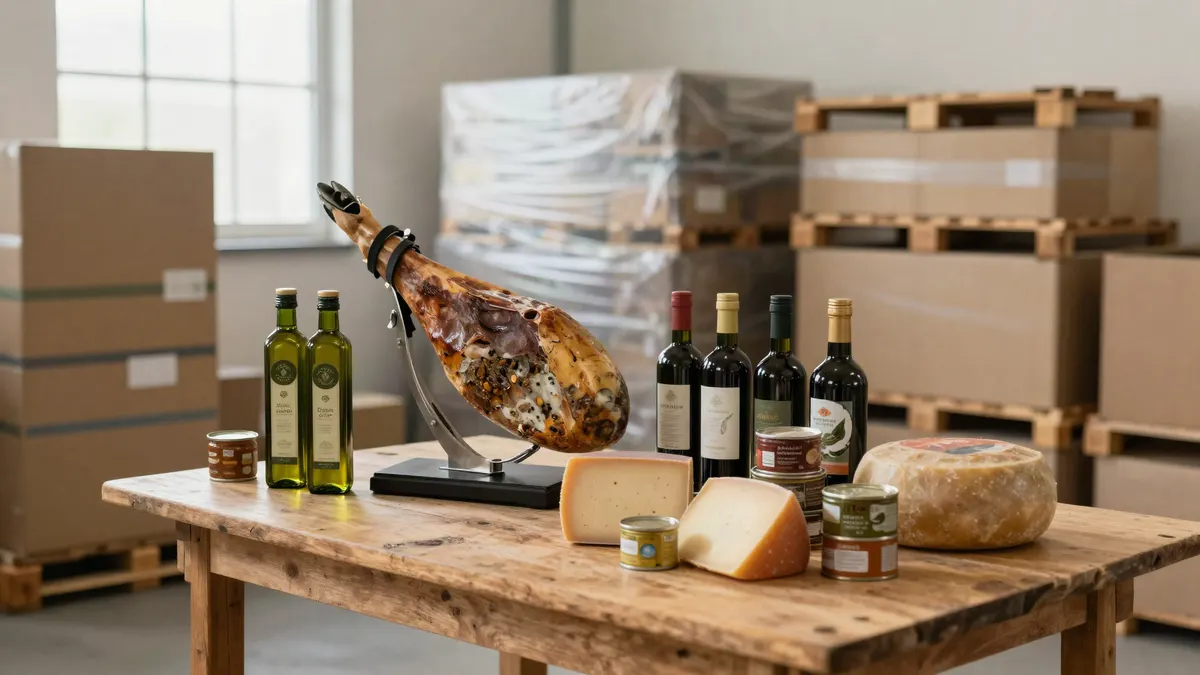
Chapter 02 covers fresh, chilled, frozen and processed meat and edible offal from all species. Global imports reached USD 128 billion in 2024. China, the United States and Germany are the largest buyers. Exporters from Spain face specific EU requirements and tariffs that vary by destination and product type.
Fact sheet
- Code
- 02
- Sector
- Food and Drink
Main importing markets
USD · 2024| Country | Imports (USD) |
|---|---|
| China | 22,768,628,199 |
| United States | 18,160,267,166 |
| Germany | 10,448,881,875 |
| Japan | 10,221,081,552 |
| Mexico | 9,116,591,063 |
| France | 8,438,803,524 |
| Italy | 7,863,988,249 |
| United Kingdom | 7,830,014,526 |
| Netherlands | 7,055,463,897 |
| South Korea | 6,939,587,456 |
| Canada | 3,311,209,762 |
| Spain | 3,212,365,446 |
| Hong Kong SAR China | 3,086,523,490 |
| Saudi Arabia | 3,035,178,174 |
| Philippines | 2,531,407,149 |
Imports declared by each country from the world. Countries report with a delay: the period is the latest with consolidated data.
Source: UN ComtradeData for 2024Verified on 27 September 2026
Headings in this chapter
- Meat of bovine animals; fresh or chilledHeading 0201
- Meat of bovine animals; frozenHeading 0202
- Meat of swine; fresh, chilled or frozenHeading 0203
- Meat of sheep or goats; fresh, chilled or frozenHeading 0204
- Meat; of horses, asses, mules or hinnies, fresh, chilled or frozenHeading 0205
- Edible offal of bovine animals, swine, sheep, goats, horses, asses, mules or hinnies; fresh, chilled or frozenHeading 0206
- Meat and edible offal of poultry; of the poultry of heading no. 0105, (i.e. fowls of the species Gallus domesticus), fresh, chilled or frozenHeading 0207
- Meat and edible meat offal, n.e.c. in chapter 2; fresh, chilled or frozenHeading 0208
- Pig fat, free of lean meat, and poultry fat, not rendered or otherwise extracted, fresh, chilled, frozen, salted, in brine, dried or smokedHeading 0209
- Meat and edible meat offal; salted, in brine, dried or smoked; edible flours and meals of meat or meat offalHeading 0210
Trade fairs in this sector
- Alimentaria Barcelona
- Anuga
- BIOFACH – World’s Leading Trade Fair for Organic Food
- Fruit Attraction
- Gulfood
- ProWein Düsseldorf
- Salón Gourmets
- SIAL – Salon International de l’Alimentation (SIAL Paris)
- Summer Fancy Food Show
- Wine Paris & Vinexpo Paris
What you need to know to export meat and offal
Chapter 02 groups ten commodity headings covering meat from cattle, swine, sheep, goats, poultry and other species, plus edible offal and processed meat products. Each heading has its own tariff rates and compliance rules depending on the destination country.
As an exporter from Spain, you operate under EU food safety law and TARIC tariffs. The EU applies zero or low tariffs within the bloc; destinations outside the EU have negotiated rates under trade agreements or most-favoured-nation terms. [A CONFIRMAR: Current tariff ranges for Spanish meat exports to major non-EU markets.]
All meat and offal must come from animals slaughtered and processed in approved facilities. Health certificates issued by the Spanish competent authority are required for shipments to most countries outside the EU. Requirements differ by destination: some countries require specific veterinary seals; others have additional residue or antibiotic testing requirements. [A CONFIRMAR: Link to current approved facility database and certificate templates.]
Cold chain integrity is critical. Frozen meat must remain at or below −18 °C; chilled meat at or below 4 °C. Documentation of temperature monitoring during transport is standard. [A CONFIRMAR: Current cold chain requirements for key destination markets.]
Labelling must show the country of origin, cut or type, net weight, handling instructions and the facility registration number. Requirements vary by destination; some countries mandate additional allergen or nutrition information. Check with your importer or the destination's food authority before shipping.
Questions about exporting meat and offal
What tariff rates apply when I export meat from Spain to the United States?
The United States applies tariffs under its tariff schedule (HTS). Rates vary by product: fresh beef, pork and poultry have specific duty rates; offal and processed products may differ. [A CONFIRMAR: Current HTS rates for Spanish meat exports.] The EU–US trade relationship has no free trade agreement, so standard MFN rates apply. Your customs broker or the US International Trade Commission can confirm the exact rate for your heading and product.
Do I need separate health certificates for the EU and non-EU markets?
Yes. Within the EU, Spanish facilities operate under common health rules and intra-EU certificates or electronic notifications apply. For exports outside the EU (China, United States, Japan, etc.), you need export health certificates issued by the Spanish competent authority (AECA or regional authority). Each destination may have its own certificate template and additional requirements. Contact your exporting region's veterinary service to obtain the approved template.
What happens if my shipment arrives with broken cold chain?
Broken cold chain is cause for rejection or detention at the importer's port. The product may be deemed unsafe and destroyed. You are liable. Ensure your logistics partner uses refrigerated containers, seals temperatures with data loggers, and delivers tracking evidence. Insurance and contractual terms with your buyer should clarify who bears the cost of loss.
Which EU certificates or marks do I need to export meat?
Your facility must be registered in the EU food authority database and hold approval to export. Within the EU, no additional marks are required beyond facility registration. For non-EU exports, you need an official export health certificate. Some markets (Gulf states, certain Asian countries) may require halal or other religious certification; this is separate and must be arranged with an accredited certifier. [A CONFIRMAR: Current list of markets requiring religious certification.]
What is the typical timeline from order to delivery for frozen meat to Asia?
Frozen meat shipments to Asia (China, Japan, South Korea) typically take 20–30 days port-to-port by container ship, plus 5–7 days for documentation, loading and customs clearance at both ends. Total lead time is often 4–6 weeks from order confirmation. Cold chain monitoring and customs inspection at destination can add delays. Agree on lead times and Incoterms with your buyer upfront.
Bring this analysis to your product
Create your free account: Exporta.ai reads your website, detects your HS code and tells you which markets to export to, with official data.