
Vegetables; n.e.c. in chapter 07, fresh or chilled (heading 0709): importing markets
HS 0709 is the heading for fresh or chilled vegetables not named elsewhere in chapter 07. According to UN Comtrade, the United States, Germany and the…
Published on 15 October 2026Updated on 15 October 2026
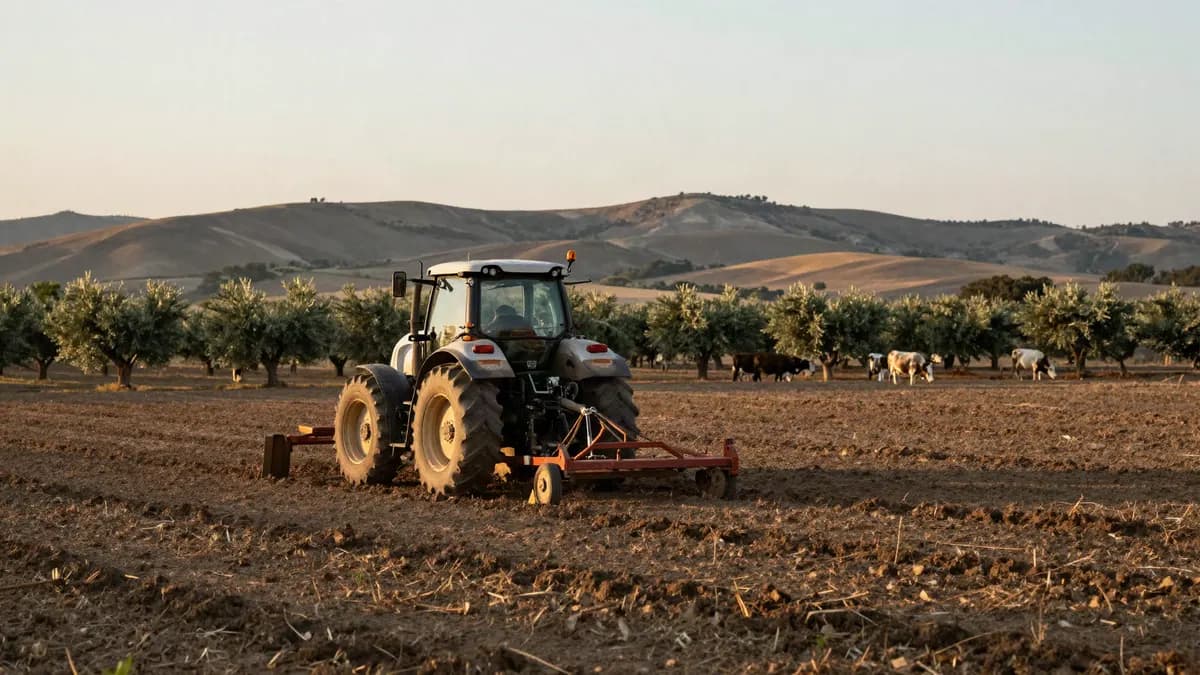
HS 0709 is the heading for fresh or chilled vegetables not named elsewhere in chapter 07. According to UN Comtrade, the United States, Germany and the United Kingdom were the three largest importers in 2025, with the United States above USD 4.3 billion. For an exporter from Spain, the destination decides the tariff, the paperwork and the plant health checks.
Source: UN ComtradeData for 2025Verified on 15 October 2026
Fact sheet
- Code
- 0709
- Chapter
- 07 · Vegetables and certain roots and tubers; edible
- Subheadings
- 18
Main importing markets
USD · 2025| Country | Imports (USD) |
|---|---|
| United States | 4,354,159,496 |
| Germany | 2,741,827,927 |
| United Kingdom | 1,634,485,149 |
| France | 1,292,795,703 |
| Canada | 920,730,195 |
| Netherlands | 872,827,803 |
| Italy | 531,239,408 |
| Belgium | 439,017,172 |
| Poland | 424,771,844 |
| Hong Kong SAR China | 422,713,332 |
| Spain | 416,059,520 |
| Austria | 394,043,115 |
| Switzerland | 371,021,789 |
| Sweden | 254,734,993 |
| Japan | 237,656,994 |
Imports declared by each country from the world. Countries report with a delay: the period is the latest with consolidated data.
Source: UN ComtradeData for 2025Verified on 15 October 2026
What to know before exporting HS 0709
HS 0709 is a residual heading of the Harmonized System. It groups fresh or chilled vegetables that chapter 07 does not name in a more specific heading. The heading has 18 subheadings, so the product you ship falls under one of them, not under 0709 as a whole.
The first task is to classify the product at subheading level. The tariff, the quotas and the documents required are set per subheading, and in many countries per national tariff line, which goes beyond the six digits of the Harmonized System. A product classified one level too high or too low can change the duty paid and the controls applied.
The import table shows a market concentrated in a few buyers. The United States, Germany and the United Kingdom lead, followed by France and Canada. Several of the main buyers are neighbours of Spain within Europe, which matters for fresh produce because transit time affects shelf life.
For a company that exports from Spain, the duty depends on the destination and on the trade agreement in force with it. Shipments to other EU member states move within the single market and carry no customs duty. For non-EU destinations, the applicable duty and the rules of origin can be checked by subheading and country in Access2Markets, the European Commission tool for exporters.
Fresh vegetables are subject to plant health rules in almost every market. Whether a phytosanitary certificate is required, and which pesticide residue limits apply, depends on the destination and on the species. These requirements should be checked with the official sources of the destination country before quoting a price, not after the order is placed.
The import figures are declared by each importing country and reflect the latest year with consolidated data. They show where demand is concentrated, not how easy it is to enter each market. Use them to shortlist destinations, then compare the entry conditions of each one.
Frequently asked questions
What products does HS 0709 cover?
HS 0709 covers fresh or chilled vegetables that are not named in a more specific heading of chapter 07. It has 18 subheadings. The exact product determines which subheading applies, so the classification must be made at that level and not at heading level.
Which countries import the most under HS 0709?
According to UN Comtrade data for 2025, the largest importers were the United States, Germany and the United Kingdom, followed by France, Canada and the Netherlands. These are imports declared by each country from the world, not purchases from Spain specifically.
Do I pay duty when exporting HS 0709 from Spain to Germany or France?
No customs duty applies, because Spain, Germany and France share the EU single market. Goods still need correct invoicing and VAT treatment for intra-EU supplies, and plant health rules of the EU continue to apply to the product.
How do I find the tariff for a non-EU destination?
The duty depends on the subheading, the destination and the agreement in force between the EU and that country. For an exporter from Spain it is checked in Access2Markets by entering the product code and the destination. The result also shows the rules of origin needed to claim a preference.
Do I need a phytosanitary certificate to export fresh vegetables?
It depends on the destination and on the species. Many non-EU markets require one, while trade within the EU follows its own plant health regime. The importing country's plant protection authority sets the requirement, so confirm it with that authority before shipping.
Bring this analysis to your product
Create your free account: Exporta.ai reads your website, detects your HS code and tells you which markets to export to, with official data.