
Oil seeds and oleaginous fruits, n.e.c. in chapter 12; whether or not broken (heading 1207): importing markets
HS heading 1207 covers other oil seeds and oleaginous fruits, whole or broken, not classified elsewhere in chapter 12. In 2024 China was the largest…
Published on 1 November 2026Updated on 1 November 2026
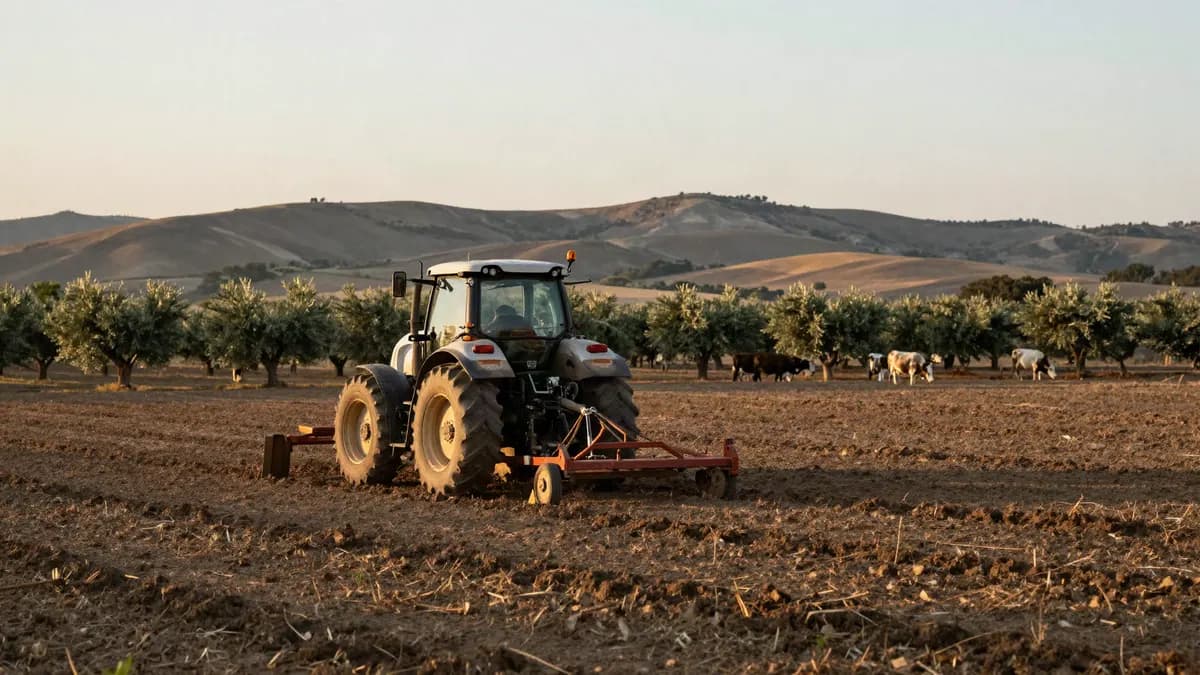
HS heading 1207 covers other oil seeds and oleaginous fruits, whole or broken, not classified elsewhere in chapter 12. In 2024 China was the largest importer by far, with about USD 2.14 billion declared, followed by Türkiye and the United States, each above USD 410 million. For an exporter from Spain, the key checks are subheading, tariff and plant health rules.
Source: UN ComtradeData for 2024Verified on 1 November 2026
Fact sheet
- Code
- 1207
- Chapter
- 12 · Oil seeds and oleaginous fruits; miscellaneous grains, seeds and fruit, industrial or medicinal plants; straw and fodder
- Subheadings
- 12
Main importing markets
USD · 2024| Country | Imports (USD) |
|---|---|
| China | 2,137,592,242 |
| Türkiye | 418,417,013 |
| United States | 411,851,476 |
| Japan | 348,987,094 |
| Germany | 324,338,019 |
| India | 316,671,120 |
| South Korea | 270,839,644 |
| Netherlands | 227,675,260 |
| Denmark | 226,993,471 |
| Saudi Arabia | 151,060,591 |
| Egypt | 127,830,679 |
| France | 125,284,447 |
| Spain | 122,768,418 |
| Israel | 115,818,000 |
| Malaysia | 115,039,882 |
Imports declared by each country from the world. Countries report with a delay: the period is the latest with consolidated data.
Source: UN ComtradeData for 2024Verified on 1 November 2026
What to know before exporting heading 1207
Heading 1207 is a residual heading. It groups oil seeds and oleaginous fruits that are not named in other headings of chapter 12, such as soya beans, groundnuts or rapeseed. Sesame, cotton seeds, shea nuts and palm nuts and kernels are examples of products classified under 1207. Always confirm your product against the heading text and the explanatory notes of the Harmonized System.
Demand is concentrated in a few buyers. In 2024 China declared about USD 2.14 billion of imports under this heading, roughly five times more than Türkiye, the second market. After the top three, Japan, Germany and India sit in a band between USD 300 million and USD 350 million. Figures are imports declared by each country from the world, not from Spain.
Several European markets appear in the ranking. Germany, the Netherlands, Denmark, France and Spain all import under this heading. For an exporter from Spain, shipments to other EU member states move within the single market, so no customs duty applies. Customs formalities for intra-EU trade differ from those for non-EU destinations.
The tariff depends on the subheading and the agreement in force. The 1207 duty varies by six-digit subheading, by destination and by whether a trade agreement between the EU and that country applies. The EU's Access2Markets portal shows the duty, the origin rules and the requirements for each product and destination. Check it with the full tariff code of your product, not just the four digits.
Seeds are subject to plant health controls. Oil seeds are plant products, so most destinations ask for a phytosanitary certificate and may set limits on pests or residues. The exact requirements are set by the importing country's authority. Access2Markets lists product requirements by destination, and the Spanish plant health inspection at the point of export issues the certificate.
Read the trade data with its limits. The table on this page uses 2024 data, the latest consolidated year, and countries report with a delay. A large importer is not necessarily an accessible market: check import licences, quotas, competing origins and the end use of the seed, whether crushing, sowing or food, before prioritising a destination.
Source: Access2MarketsData for 2024Verified on 1 November 2026
Frequently asked questions
What products are classified under HS 1207?
Heading 1207 covers oil seeds and oleaginous fruits, whole or broken, that are not named in other headings of chapter 12. Sesame seeds, cotton seeds, shea nuts and palm nuts and kernels are examples. Soya beans, groundnuts, linseed and rapeseed have their own headings.
Which country imports the most under HS 1207?
China. According to UN Comtrade, it declared about USD 2.14 billion of imports in 2024. Türkiye came second with about USD 418 million and the United States third with about USD 412 million.
Do I pay duty when exporting 1207 products from Spain to Germany or the Netherlands?
No customs duty applies to goods moving between EU member states, because they are in the single market. Other obligations remain, such as invoicing and VAT rules, and plant health requirements may still apply depending on the product.
How do I find the tariff for my product in a non-EU market?
The duty depends on the full subheading of the product, the destination and any agreement between the EU and that country. Enter the product code and destination in Access2Markets to see the duty, the origin rules and the documents required.
Do I need a phytosanitary certificate to export oil seeds?
In most non-EU destinations, yes, because seeds are plant products. The importing country's authority sets the exact requirement, which Access2Markets shows by destination. For shipments from Spain, the certificate is issued after a plant health inspection.
Bring this analysis to your product
Create your free account: Exporta.ai reads your website, detects your HS code and tells you which markets to export to, with official data.