
Bovine animals; live (heading 0102): importing markets
Live cattle (HS code 0102) is a regulated commodity with strict sanitary requirements. Global imports exceed USD 10 billion annually, led by Italy, the…
Published on 15 September 2026Updated on 22 September 2026
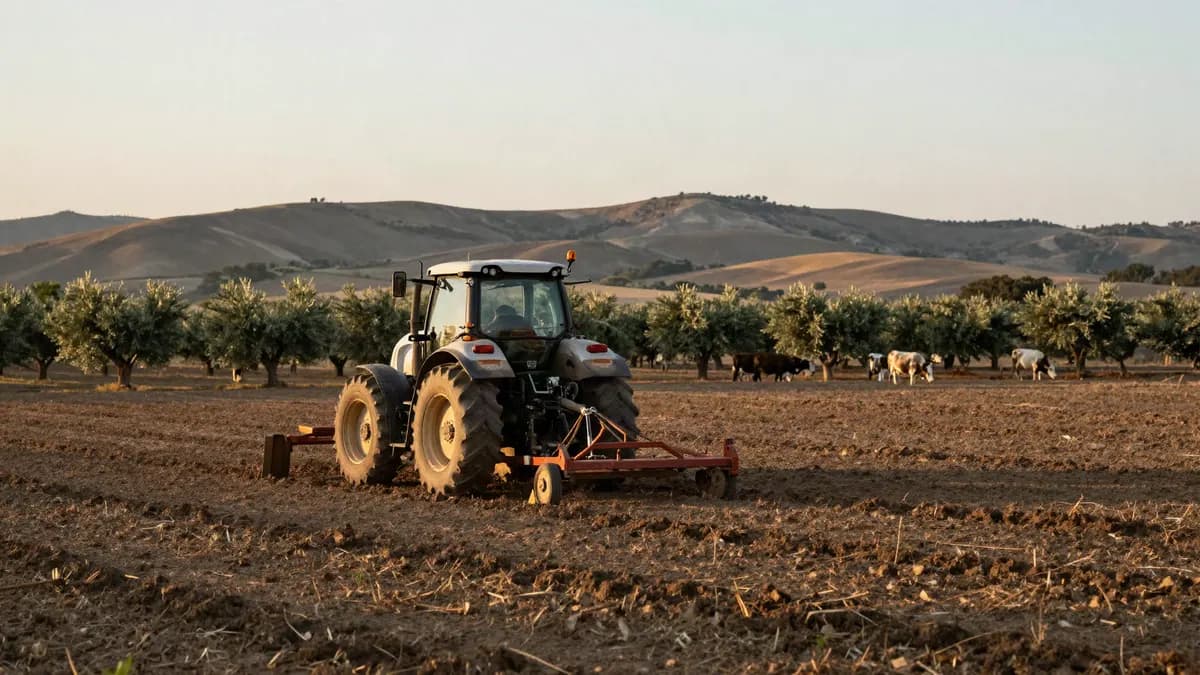
Live cattle (HS code 0102) is a regulated commodity with strict sanitary requirements. Global imports exceed USD 10 billion annually, led by Italy, the United States and Turkey. Spain exported USD 757 million in 2025, making it the fifth largest exporter globally. Shipping live animals requires veterinary certificates, health permits and specialized logistics.
Fact sheet
- Code
- 0102
- Chapter
- 01 · Animals; live
- Subheadings
- 6
Main importing markets
USD · 2025| Country | Imports (USD) |
|---|---|
| Italy | 3,098,603,488 |
| United States | 2,144,848,917 |
| Türkiye | 1,191,040,217 |
| Canada | 833,891,594 |
| Spain | 757,669,246 |
| Netherlands | 690,614,764 |
| Morocco | 628,247,276 |
| Indonesia | 609,570,664 |
| Israel | 377,751,000 |
| Poland | 365,729,486 |
| Belgium | 348,424,577 |
| Egypt | 332,266,164 |
| Lebanon | 310,986,132 |
| Croatia | 234,399,682 |
| Côte d’Ivoire | 170,455,128 |
Imports declared by each country from the world. Countries report with a delay: the period is the latest with consolidated data.
Source: UN ComtradeData for 2025Verified on 22 September 2026
What you need to know to export live cattle
Live cattle trade is controlled by veterinary and sanitary regulations that vary by destination. Each importing country has its own health requirements, import quotas and certification procedures. The EU regulates exports through specific veterinary documentation, and third countries require health certificates issued by Spain's Official Veterinary Services (Servicio Oficial de Inspección).
Costs include veterinary examination fees, health certificate issuance, transport insurance, specialized trucking or container shipping, and handling at origin and destination. For long-distance exports (US, Canada), live animal shipping is more expensive than meat but serves breeding and dairy herds that value genetic stock.
Pricing is typically based on animal weight, age, breed and destination market. Seasonal variation is significant: demand peaks in spring for breeding animals and in autumn for fattening. Direct relationships with importers or livestock traders are common, though some exports move through official channels or trade companies.
Common questions
What documents do I need to export live cattle from Spain?
You need a health certificate issued by Spain's Official Veterinary Services, export declaration to customs, proof of origin (if required), and destination-specific import permits. Each country has additional requirements: the US, for example, requires specific breed documentation and quarantine protocols. Check with the importing country's veterinary authority before shipping.
Bring this analysis to your product
Create your free account: Exporta.ai reads your website, detects your HS code and tells you which markets to export to, with official data.