
Metals; n.e.c., cermets and articles… (chapter 81): which countries import it
Chapter 81 covers rare and specialty metals—tungsten, molybdenum, tantalum, cobalt, titanium, and others—plus cermets. Global imports exceeded USD 22…
Published on 27 September 2026Updated on 27 September 2026
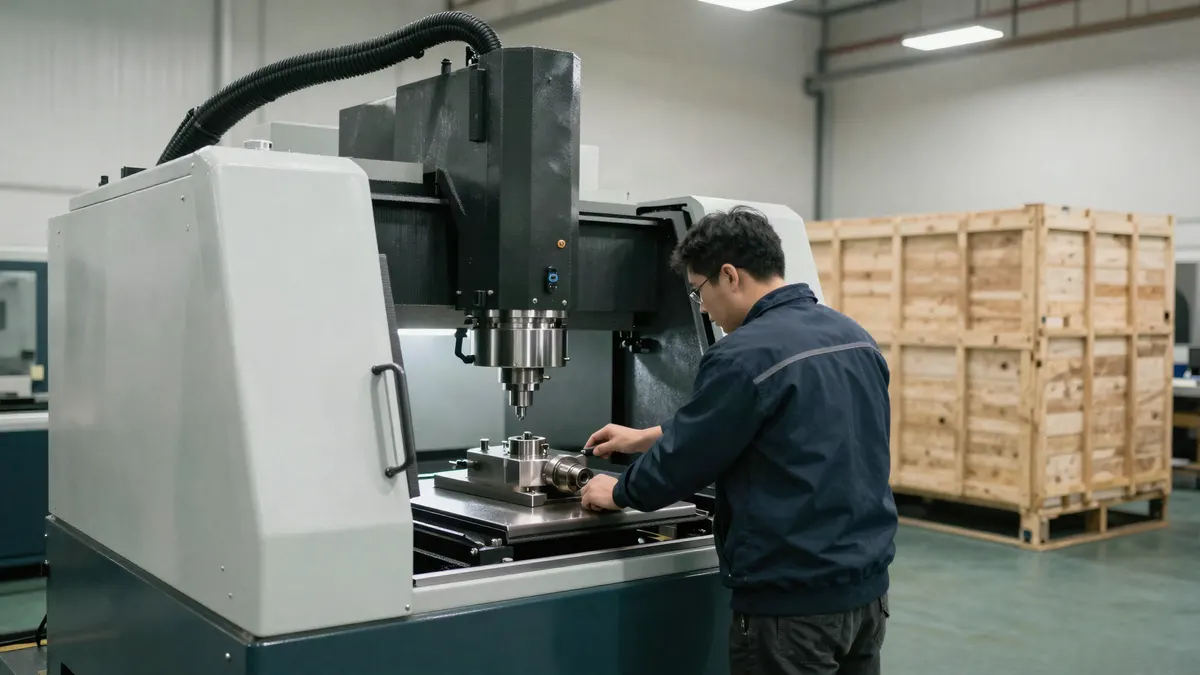
Chapter 81 covers rare and specialty metals—tungsten, molybdenum, tantalum, cobalt, titanium, and others—plus cermets. Global imports exceeded USD 22 billion in 2024, led by China, the United States, and Germany. These metals are critical for aerospace, electronics, and energy. Export requirements depend on the metal, destination, and end use.
Fact sheet
- Code
- 81
- Sector
- Industry and Machinery
Main importing markets
USD · 2024| Country | Imports (USD) |
|---|---|
| China | 4,708,923,006 |
| United States | 3,918,250,923 |
| Germany | 2,846,286,446 |
| France | 2,038,935,458 |
| Japan | 1,487,236,391 |
| South Korea | 1,455,479,640 |
| United Kingdom | 1,343,705,955 |
| India | 737,381,343 |
| Canada | 711,329,209 |
| Thailand | 682,399,081 |
| Austria | 586,768,159 |
| Italy | 586,105,672 |
| Mexico | 528,626,249 |
| Belgium | 457,266,686 |
| Türkiye | 421,473,775 |
Imports declared by each country from the world. Countries report with a delay: the period is the latest with consolidated data.
Source: UN ComtradeData for 2024Verified on 27 September 2026
Headings in this chapter
- Tungsten (wolfram); articles thereof, including waste and scrapHeading 8101
- Molybdenum; articles thereof, including waste and scrapHeading 8102
- Tantalum; articles thereof, including waste and scrapHeading 8103
- Magnesium; articles thereof, including waste and scrapHeading 8104
- Cobalt; mattes and other intermediate products of cobalt metallurgy, cobalt and articles thereof, including waste and scrapHeading 8105
- Bismuth; articles thereof, including waste and scrapHeading 8106
- Cadmium; articles thereof, including waste and scrapHeading 8107
- Titanium; articles thereof, including waste and scrapHeading 8108
- Zirconium; articles thereof, including waste and scrapHeading 8109
- Antimony; articles thereof, including waste and scrapHeading 8110
- Manganese; articles thereof, including waste and scrapHeading 8111
- Beryllium, chromium, hafnium, rhenium, thallium, cadmium, germanium, vanadium, gallium, indium and niobium (columbium), articles of these metals, including waste and scrapHeading 8112
- Cermets; articles thereof, including waste and scrapHeading 8113
Trade fairs in this sector
- Advanced Factories
- bauma
- BIEMH – Bienal Internacional de Máquina‑Herramienta
- EMO (Exposition Mondiale de la Machine Outil)
- Hannover Messe
- interpack – PROCESSING & PACKAGING
Before you export specialty metals
Specialty metals in Chapter 81 are split into 13 tariff headings, each covering a specific metal or metal group and its alloys, powders, and scrap. Your product's HS code determines which heading applies, and from there, the tariff rate, any restrictions, and applicable regulations.
The tariff rate you pay depends on three things: the specific metal and form (covered by the HS subheading), the destination country, and any trade agreement in force between Spain and that destination. The EU's Access2Markets tool shows the exact rate for each metal, destination, and agreement. Check it before quoting.
Many specialty metals are subject to supply chain restrictions or dual-use controls, especially if the end use is defence or aerospace. Others require export licences depending on destination. Confirm the regulatory status of your metal and buyer's country before committing.
Recycled metals and scrap from these chapters are tradeable but often face stricter documentation and testing requirements. If you export waste or scrap, clarify with your customs broker which certificates and analyses the destination requires.
The main importing markets are industrial hubs: China leads at USD 4.7 billion, followed by the United States (USD 3.9 billion) and Germany (USD 2.8 billion). These countries use specialty metals in manufacturing, not as final consumers. Know your buyer's industry and end use.
Questions about exporting specialty metals
How do I find the exact tariff rate for my metal and destination?
Use the EU's Access2Markets tool (trade.ec.europa.eu/access-to-markets). Enter your product's HS code, your destination, and the system shows the applicable tariff rate, any quotas or restrictions, and rules of origin. Rates vary by metal form (powder, alloy, scrap) and destination agreement, so check before quoting.
Do I need a licence to export specialty metals?
It depends on the metal, destination, and end use. Some metals like cobalt and tungsten may require export authorisation if the buyer or destination is flagged for dual-use control. Ask your buyer's country and end use, then check with Spain's Ministry of Industry or your customs broker. Do not assume it is free trade.
What documents do customs require for specialty metal exports?
Standard export documents are invoice, packing list, and customs declaration. If the metal is recycled or scrap, you may need material certificates, composition analysis, or traceability documents depending on destination regulations. Ask your buyer and the importing country's customs broker what they require before shipment.
Are there rules of origin I should know about?
Yes. If you export to an EU trade agreement partner (UK, Switzerland, Turkey, Morocco, others), the product must meet the agreement's rules of origin to qualify for the preferential rate. For metals, this usually means they are processed in the EU or in countries with cumulation agreements. Verify with Access2Markets or your customs broker.
Bring this analysis to your product
Create your free account: Exporta.ai reads your website, detects your HS code and tells you which markets to export to, with official data.