
Aluminium and articles thereof (chapter 76): which countries import it
Chapter 76 covers aluminium in all forms: raw metal, semi-finished products like wire and foil, and finished articles. The US, Germany, and China lead…
Published on 27 September 2026Updated on 27 September 2026
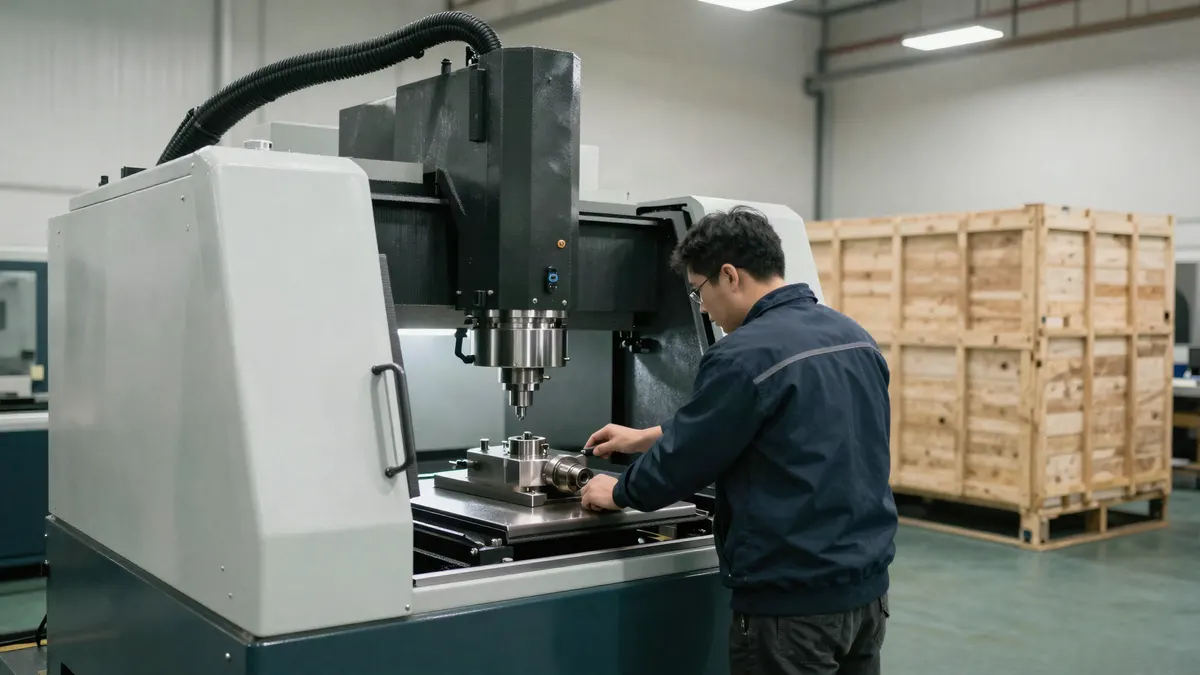
Chapter 76 covers aluminium in all forms: raw metal, semi-finished products like wire and foil, and finished articles. The US, Germany, and China lead global imports at over USD 26 billion annually. Your first step is identifying which of the 16 headings under this chapter matches your product, then checking the applicable tariff and trade agreement rules for your destination market.
Fact sheet
- Code
- 76
- Sector
- Industry and Machinery
Main importing markets
USD · 2025| Country | Imports (USD) |
|---|---|
| United States | 26,469,179,693 |
| Germany | 22,894,419,815 |
| China | 15,031,337,813 |
| Mexico | 10,571,345,489 |
| Italy | 10,205,200,334 |
| India | 9,844,574,156 |
| South Korea | 9,134,221,393 |
| France | 9,044,634,613 |
| Japan | 8,795,909,777 |
| Netherlands | 8,317,913,986 |
| Türkiye | 7,095,525,103 |
| Poland | 7,069,013,266 |
| United Kingdom | 6,601,760,327 |
| Spain | 6,217,722,132 |
| Thailand | 5,781,317,654 |
Imports declared by each country from the world. Countries report with a delay: the period is the latest with consolidated data.
Source: UN ComtradeData for 2025Verified on 27 September 2026
Headings in this chapter
- Aluminium; unwroughtHeading 7601
- Aluminium; waste and scrapHeading 7602
- Aluminium; powders and flakesHeading 7603
- Aluminium; bars, rods and profilesHeading 7604
- Aluminium wireHeading 7605
- Aluminium; plates, sheets and strip, thickness exceeding 0.2mmHeading 7606
- Aluminium foil (whether or not printed or backed with paper, paperboard, plastics or similar backing materials) of a thickness (excluding any backing) not exceeding 0.2mmHeading 7607
- Aluminium; tubes and pipesHeading 7608
- Aluminium; tube or pipe fittings (e.g. couplings, elbows, sleeves)Heading 7609
- Aluminium; structures (excluding prefabricated buildings of heading no. 9406) and parts (e.g. bridges and sections, towers, lattice masts, etc) plates, rods, profiles and tubes for structuresHeading 7610
- Aluminium; reservoirs, tanks, vats and the like for material (not compressed or liquefied gas) of capacity over 300l, whether or not lined, heat-insulated, not fitted with mechanical, thermal equipmentHeading 7611
- Aluminium casks, drums, cans, boxes etc (including rigid, collapsible tubular containers), for materials other than compressed, liquefied gas, 300l capacity or less, lined, heat-insulated or notHeading 7612
- Aluminium; containers for compressed or liquefied gasHeading 7613
- Aluminium; stranded wire, cables, plaited bands and the like, (not electrically insulated)Heading 7614
- Aluminium; table, kitchen or other household articles and parts thereof, pot scourers and scouring or polishing pads, gloves and the like, sanitary ware and parts thereofHeading 7615
- Aluminium; articles n.e.c. in chapter 76Heading 7616
Trade fairs in this sector
- Advanced Factories
- bauma
- BIEMH – Bienal Internacional de Máquina‑Herramienta
- EMO (Exposition Mondiale de la Machine Outil)
- Hannover Messe
- interpack – PROCESSING & PACKAGING
What you need to know to export aluminium
Aluminium products span a wide range: from unwrought metal and waste to finished items like foil, tubes, and household goods. Chapter 76 of the HS classification groups them all, but your tariff rate and regulatory requirements depend on which of the 16 headings your product falls under. The headings list above shows the exact scope of each one.
Your product's tariff code determines the customs duty you'll pay when importing into your destination country. That duty is not the same everywhere: it depends on the bilateral or regional trade agreement between Spain and the importer's country. Access2Markets, the European Commission tool, shows the tariff and any quotas or special conditions for each destination from Spain.
Aluminium is not subject to safety or environmental restrictions that vary by destination the way some chemicals or textiles are, but quality and composition standards may apply depending on the end use. If you're exporting to a regulated sector—food contact aluminium foil, for instance—verify the specific rules for that destination before quoting.
The US, Germany, and China are the largest importers globally, but Spain also imports aluminium products significantly. That means you may face competition from established suppliers in those markets. Your edge is typically in niche segments, technical specifications, or supply chain reliability rather than competing on bulk commodity pricing.
Common questions about exporting aluminium
How do I find the exact tariff for my aluminium product when exporting from Spain?
Use Access2Markets, the European Commission's trade tool. Enter your 8-digit HS code (the ones listed here end in two more digits for the subheading), select your destination country, and the tool shows the duty rate, any quotas, and the trade agreement that applies. The rate changes if the agreement changes, so check it before each shipment.
What's the difference between the headings listed here?
Each heading covers a stage of processing or a type of product. Heading 7601 is raw aluminium; 7603 is powders and flakes; 7606 is rolled sheet; 7615 is finished household items. Your product matches one heading based on its physical form and how it was made. If you're unsure, your freight forwarder can help you classify it correctly.
Do I need a certificate of origin or any special permit to export aluminium from Spain?
A certificate of origin may be required to prove the product qualifies for the trade agreement rate in your destination country. Your chamber of commerce or customs broker can issue it. Special permits depend on the destination and the end use of the aluminium: there's no blanket rule across all Chapter 76 products. Confirm with your importer and your customs broker before shipping.
Are there countries where I can't export Spanish aluminium or where tariffs are especially high?
Spain has trade agreements with most countries through the EU. The tariff to the US is low under the bilateral agreement; to China and some other non-aligned countries it may be higher. Access2Markets shows the rate for every destination. Some destinations may have quotas or anti-dumping duties on aluminium, depending on global market conditions at the time.
Bring this analysis to your product
Create your free account: Exporta.ai reads your website, detects your HS code and tells you which markets to export to, with official data.