
Ceramic products (chapter 69): which countries import it
Chapter 69 includes ceramic bricks, tiles, roofing materials, sanitaryware, tableware and technical ceramics. The US imported USD 7.5 billion in 2025,…
Published on 27 September 2026Updated on 27 September 2026
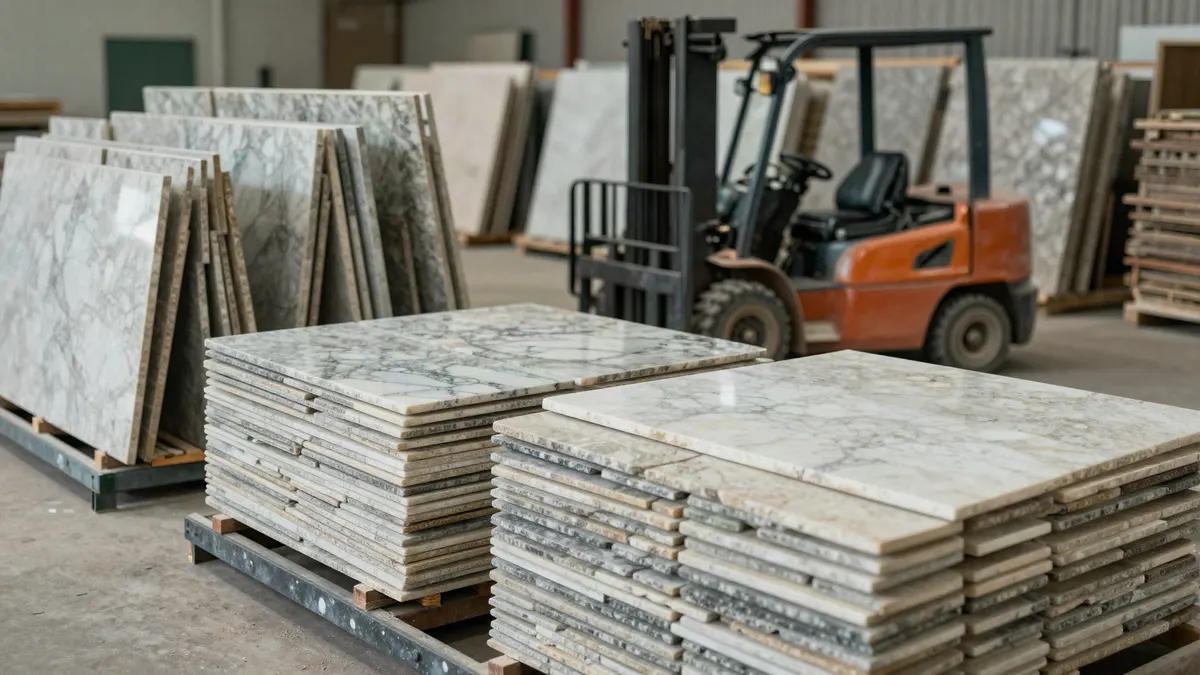
Chapter 69 includes ceramic bricks, tiles, roofing materials, sanitaryware, tableware and technical ceramics. The US imported USD 7.5 billion in 2025, followed by Germany and France. To export these products from Spain, you need to verify tariff classification, compliance with construction standards where applicable, and destination-country import requirements.
Fact sheet
- Code
- 69
- Sector
- Construction and Materials
Main importing markets
USD · 2025| Country | Imports (USD) |
|---|---|
| United States | 7,517,912,453 |
| Germany | 3,572,848,556 |
| France | 2,387,032,549 |
| United Kingdom | 2,204,061,757 |
| South Korea | 1,548,030,237 |
| Netherlands | 1,326,427,403 |
| China | 1,319,443,504 |
| Italy | 1,314,623,859 |
| Poland | 1,269,022,488 |
| Canada | 1,252,781,089 |
| Japan | 1,126,372,373 |
| India | 992,457,133 |
| Mexico | 969,552,637 |
| Australia | 915,358,427 |
| Philippines | 895,584,901 |
Imports declared by each country from the world. Countries report with a delay: the period is the latest with consolidated data.
Source: UN ComtradeData for 2025Verified on 27 September 2026
Headings in this chapter
- Bricks, blocks, tiles and other ceramic goods of siliceous fossil meals (e.g. kieselguhr, tripolite or diatomite) or of similar siliceous earthsHeading 6901
- Refractory bricks, blocks, tiles and similar refractory ceramic constructional goods; other than those of siliceous fossil meals or similar siliceous earthsHeading 6902
- Ceramic goods; (e.g. retorts, crucibles, muffles, nozzles, plugs, supports cupels, tubes, pipes, sheaths, rods and slide gates) excluding those of siliceous fossil meals or of similar siliceous earthsHeading 6903
- Ceramic building bricks, floor blocks, support or filler tiles and the likeHeading 6904
- Roofing tiles, chimney-pots, cowls, chimney liners, architectural ornaments and other ceramic constructional goodsHeading 6905
- Ceramic pipes, conduits, guttering and pipe fittingsHeading 6906
- Ceramic flags and paving, hearth or wall tiles; ceramic mosaic cubes and the like, whether or not on a backing; finishing ceramicsHeading 6907
- Glazed ceramic flags and paving, hearth or wall tiles; glazed ceramic mosaic cubes and the like, whether or not on a backing.Heading 6908
- Ceramic ware for laboratory, chemical, other technical uses; ceramic troughs, tubs, similar receptacles used in agriculture; ceramic pots, jars and similar used in the conveyance or packing of goodsHeading 6909
- Ceramic sinks, wash basins, wash basin pedestals, baths, bidets, water closet pans, flushing cisterns, urinals and similar sanitary fixturesHeading 6910
- Tableware, kitchenware, other household articles and toilet articles; of porcelain or chinaHeading 6911
- Ceramic tableware, kitchenware, other household articles and toilet articles; other than of porcelain or chinaHeading 6912
- Statuettes and other ornamental ceramic articlesHeading 6913
- Ceramic articles; n.e.c. in chapter 69Heading 6914
Trade fairs in this sector
- Mondial du Bâtiment (Batimat, Idéobain e Interclima)
- BAU
- Big 5 Global
- Cevisama
- Construmat – Feria Internacional de la Construcción
- Marmomac, la Fiera del Marmo e della Pietra Naturale
What you need to know to export ceramics
Chapter 69 spans a wide range of products, from construction ceramics—bricks, tiles, roofing materials—to sanitaryware, tableware and technical ceramics used in industry. The headings range from 6901 to 6914, and each carries different tariff rates and compliance requirements.
The first step is to classify your product correctly. A ceramic tile for flooring, a ceramic roof tile, and a ceramic sink all fall under Chapter 69 but have different codes and are subject to different tariffs and technical standards. Use the product description, composition, intended use and packaging to identify your exact heading and subheading.
Tariff rates depend on the destination country and the trade agreement in force. For exports from Spain to non-EU countries, consult Access2Markets with your specific tariff code and target market to see the applied rate, any duties, and any preferential agreements that may apply.
Construction ceramics often face technical requirements in destination markets. These may include safety standards, performance certifications, or marking requirements, and they vary by country and product type. Check the regulations of your target market before you confirm your supply chain.
The United States, Germany, and France are the three largest importers of Chapter 69 products globally. Germany and France are within the EU, so intra-EU trade applies; outside the EU, tariffs and import procedures depend on the destination's agreements with Spain and the EU.
Frequently asked questions
How do I find the right tariff code for my ceramic product?
Start with the product name and composition: is it a brick, a tile, a pipe, sanitaryware, tableware, or a technical ceramic? Then identify the material—porcelain, earthenware, stoneware, or other ceramic—and its intended use. The headings in Chapter 69 are organized by product type and material. Once you have a candidate code, verify it against the technical definition in the EU's Combined Nomenclature (TARIC) to confirm it matches your product.
Do ceramic products need certification to export?
Certification requirements depend on the destination country and product type. Construction ceramics may need performance or safety marks in certain markets. Sanitaryware often requires compliance with plumbing standards. Tableware may face food contact or migration limits. Before you develop a supply chain for a specific market, consult the regulations of that country or ask your trade body for guidance on the standards that apply to your product.
What is the difference between exporting to the EU and outside it?
Within the EU, there are no tariffs, but products must comply with EU harmonized standards and CE marking rules where applicable. Outside the EU, your product is subject to the destination country's tariff rate on Chapter 69 goods, its import procedures, and its own technical standards. Trade agreements between the EU and the destination country may lower tariffs; check Access2Markets for your target market.
Which markets should I prioritize for ceramic products?
The US, Germany, France, the UK, South Korea and the Netherlands are among the largest importers of Chapter 69 products. However, the right market for you depends on your product type—construction ceramics have different buyers than tableware or technical ceramics—and on your capacity and existing trade relationships. Use import data to identify which markets buy products similar to yours, and validate that your compliance capabilities match their requirements.
Bring this analysis to your product
Create your free account: Exporta.ai reads your website, detects your HS code and tells you which markets to export to, with official data.