
Ores, slag and ash (chapter 26): which countries import it
Chapter 26 covers ores, slag and ash—raw materials essential for metal production and construction. Global imports exceeded USD 361 billion in 2024, with…
Published on 14 September 2026Updated on 27 September 2026
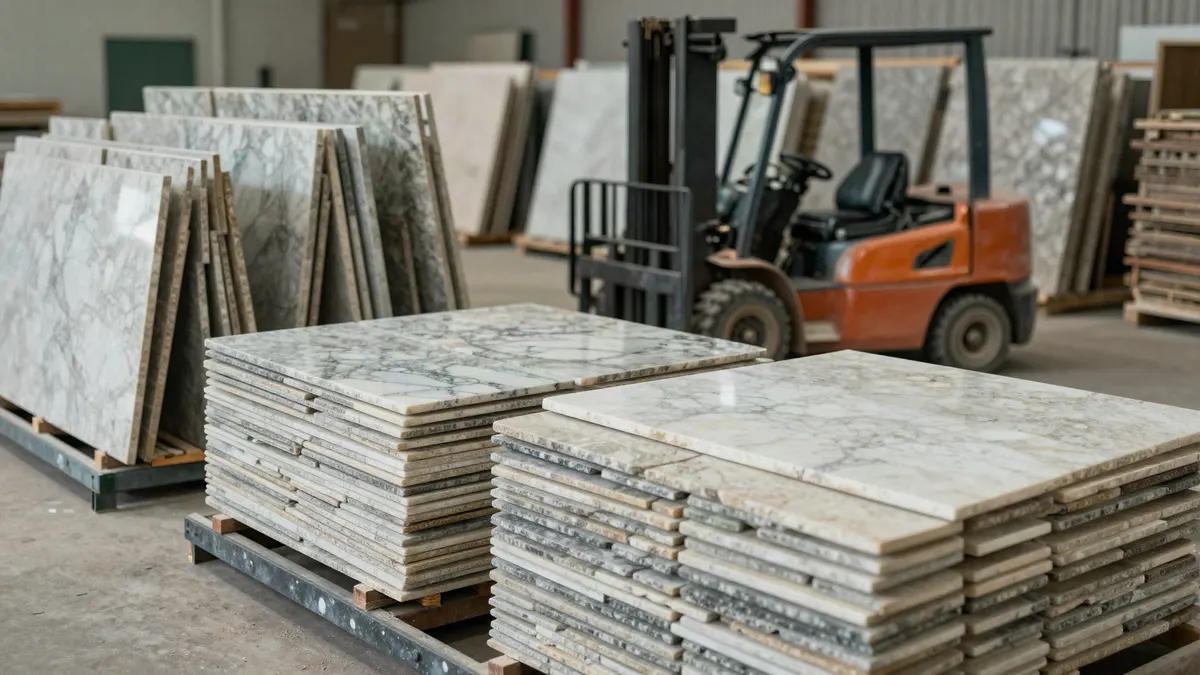
Chapter 26 covers ores, slag and ash—raw materials essential for metal production and construction. Global imports exceeded USD 361 billion in 2024, with China as the dominant buyer. For Spanish exporters, understanding tariff codes, buyer requirements and destination regulations is critical to compete in this capital-intensive trade.
Fact sheet
- Code
- 26
- Sector
- Construction and Materials
Main importing markets
USD · 2024| Country | Imports (USD) |
|---|---|
| China | 251,057,593,323 |
| Japan | 25,690,419,080 |
| South Korea | 20,841,393,306 |
| Germany | 11,539,459,164 |
| India | 9,535,858,537 |
| Spain | 5,096,857,560 |
| Malaysia | 4,450,629,111 |
| United States | 3,849,156,157 |
| Canada | 3,719,808,190 |
| Finland | 3,308,834,397 |
| Poland | 3,141,505,752 |
| Indonesia | 2,983,001,099 |
| Netherlands | 2,803,599,795 |
| Belgium | 2,778,150,602 |
| Bulgaria | 2,567,746,426 |
Imports declared by each country from the world. Countries report with a delay: the period is the latest with consolidated data.
Source: UN ComtradeData for 2024Verified on 27 September 2026
Headings in this chapter
- Iron ores and concentrates; including roasted iron pyritesHeading 2601
- Manganese ores and concentrates, including ferruginous manganese ores and concentrates with a manganese content of 20% or more, calculated on the dry weightHeading 2602
- Copper ores and concentratesHeading 2603
- Nickel ores and concentratesHeading 2604
- Cobalt ores and concentratesHeading 2605
- Aluminium ores and concentratesHeading 2606
- Lead ores and concentratesHeading 2607
- Zinc ores and concentratesHeading 2608
- Tin ores and concentratesHeading 2609
- Chromium ores and concentratesHeading 2610
- Tungsten ores and concentratesHeading 2611
- Uranium or thorium ores and concentratesHeading 2612
- Molybdenum ores and concentratesHeading 2613
- Titanium ores and concentratesHeading 2614
- Niobium, tantalum, vanadium or zirconium ores and concentratesHeading 2615
- Precious metal ores and concentratesHeading 2616
- Ores and concentrates; n.e.c. in heading no. 2601Heading 2617
- Granulated slag (slag sand) from the manufacture of iron or steelHeading 2618
- Slag, dross; (other than granulated slag), scalings and other waste from the manufacture of iron or steelHeading 2619
- Slag, ash and residues; (not from the manufacture of iron or steel) containing metals, arsenic or their compoundsHeading 2620
- Slag and ash n.e.c. in chapter 26; including seaweed ash (kelp) and ash and residues from the incineration of municipal wasteHeading 2621
Trade fairs in this sector
- Mondial du Bâtiment (Batimat, Idéobain e Interclima)
- BAU
- Big 5 Global
- Cevisama
- Construmat – Feria Internacional de la Construcción
- Marmomac, la Fiera del Marmo e della Pietra Naturale
What you need to know to export ores, slag and ash
Chapter 26 groups raw materials used in metallurgy, construction and industrial processes. Each heading covers a specific ore or byproduct: iron ores (2601), copper ores (2603), slag from steel production (2618-2619), and industrial residues (2620-2621). The tariff code determines classification, duty rates and applicable trade agreements.
Payment terms in this sector are conservative. Letters of credit and advance payment are common, especially for first-time buyers or smaller shipments. Establish credit references and consider trade finance insurance if entering new markets.
Common questions
What tariff code should I use for my ore or slag?
Each ore and byproduct has its own four-digit heading under Chapter 26. Use the product list in this page to find your heading, then consult TARIC or Access2Markets to confirm the full HS code (8 or 10 digits) for your destination market. The complete code determines duty rates and trade agreement eligibility.
Do ores from Spain face import duties in main markets?
Duty rates depend on destination and HS code. Access2Markets shows applied rates for each partner country; many destinations apply preferential rates under bilateral or regional agreements. Check the specific heading and destination before pricing.
What documentation do importers typically require?
Certificates of analysis, composition reports, moisture content, traceability and origin documentation are standard. Many buyers also require environmental compliance statements and, increasingly, conflict-mineral declarations. Requirements vary by buyer and destination; confirm with your customer before shipment.
Which markets buy most Spanish ores and slag?
Spain itself imports ores worth over USD 5 billion annually and is a processing and re-export hub. Germany, France and the Benelux countries are also significant buyers of processed slag and residues. Check ITC Trade Map to see Spanish export destinations for your specific heading.
What certifications or permits do I need to export?
Export licenses are not required for ores or slag in most EU trade. However, some destinations may require import permits or health and safety clearances. Check regulations for your destination country and product code; your chamber of commerce can advise on country-specific requirements.
Bring this analysis to your product
Create your free account: Exporta.ai reads your website, detects your HS code and tells you which markets to export to, with official data.