
Exporting Technology and Electronics: markets, headings and fairs
Technology and electronics is a global sector worth hundreds of billions in annual imports. The United States, Hong Kong and Germany lead demand. Spain…
Published on 15 September 2026Updated on 28 September 2026
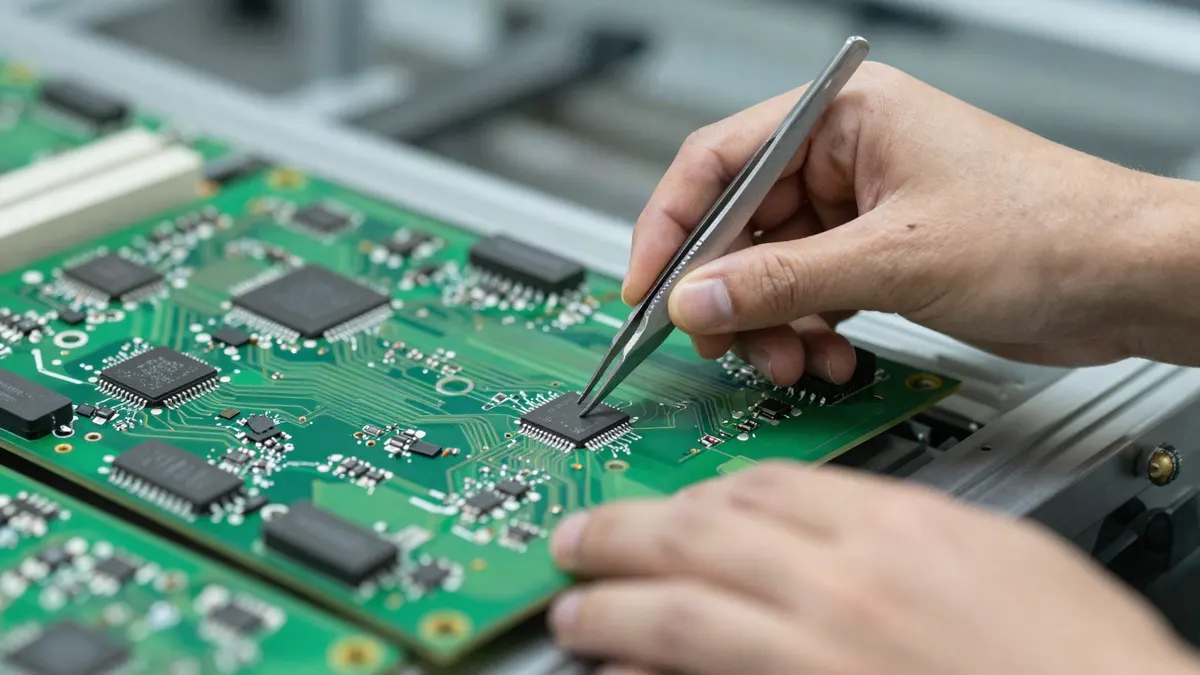
Technology and electronics is a global sector worth hundreds of billions in annual imports. The United States, Hong Kong and Germany lead demand. Spain exports across optical instruments, electrical machinery, and audio-visual equipment. Competition is intense but market entry is open to companies that understand tariffs, compliance standards, and buyer qualification.
Tariff chapters in this sector
- Photographic or cinematographic goodsChapter 37
- Electrical machinery and equipment and parts thereof; sound recorders and reproducers; television image and sound recorders and reproducers, parts and accessories of such articlesChapter 85
- Optical, photographic, cinematographic, measuring, checking, medical or surgical instruments and apparatus; parts and accessoriesChapter 90
- Clocks and watches and parts thereofChapter 91
- Musical instruments; parts and accessories of such articlesChapter 92
Main importing markets
USD · 2024| Country | Imports (USD) |
|---|---|
| China | 666,348,873,028 |
| United States | 648,976,398,701 |
| Hong Kong SAR China | 465,566,112,454 |
| Germany | 285,778,724,543 |
| Singapore | 190,946,147,932 |
| Mexico | 159,130,673,699 |
| South Korea | 154,766,741,312 |
| Japan | 147,434,707,741 |
| Malaysia | 119,185,629,658 |
| India | 116,417,785,440 |
| Netherlands | 116,412,041,613 |
| United Kingdom | 104,808,372,064 |
| France | 99,138,604,290 |
| Thailand | 98,828,573,651 |
| Italy | 72,664,624,644 |
Imports declared by each country from the world. Countries report with a delay: the period is the latest with consolidated data.
Source: UN ComtradeData for 2024Verified on 28 September 2026
Trade fairs in this sector
- CES®Las Vegas
- embedded world Exhibition & ConferenceNúremberg
- IFA BerlinBerlín
- Light + BuildingFrankfurt am Main
- MWC BarcelonaBarcelona
What you need to know to export technology and electronics
This sector spans five tariff chapters: photographic goods, electrical machinery, optical and measuring instruments, clocks and watches, and musical instruments. Each has different tariff rates, certification requirements, and market dynamics. Your product's classification determines which rules apply and which markets are most accessible.
The United States imported USD 649 billion in technology and electronics in 2025, followed by Hong Kong and Germany. These markets have established supply chains, high quality standards, and direct relationships with European suppliers. Smaller markets like Thailand and Malaysia are growing but require longer relationship-building.
Tariff rates within this sector vary widely by product. Optical instruments and clocks typically face lower duties than consumer electronics in some markets. Check the specific tariff code for your product in your target market: a 2% or 15% rate difference changes your pricing strategy.
Lead times from Spain to the US and Asia range from 30 to 60 days by sea, depending on port and routing. Most importers expect stock-on-hand or production within 90 days. If you are a contract manufacturer or distributor without inventory, clarify this early in negotiations.
Quality control and traceability are critical. Buyers in this sector request test reports, technical datasheets, and often third-party audits of your production process. Document everything: it becomes your competitive advantage when competing against unknown suppliers.
Frequently asked questions
What tariff rate applies to my product when I export from Spain?
Tariff rates depend on your precise product code within chapters 37, 85, 90, 91, or 92. Use the TARIC database with your product description to find the eight-digit code, then check Access2Markets for the duty rate in your target country. Rates range from 0% to 20% in most cases, but some electronics face higher rates. The wrong code costs money in unexpected duties or clearance delays.
Why is Hong Kong such a large importer if it is a small territory?
Hong Kong is a distribution hub for Asia. Many importers buy in Hong Kong and redistribute to China, Southeast Asia, and India. If you sell to Hong Kong, your product often ends up in three or four countries. Verify end-use and destination with your buyer to avoid regulatory issues.
How long does it take to get an order from initial contact to first shipment?
For a new buyer in a developed market (US, Germany, UK), expect 60 to 120 days from first contact to purchase order, then another 30 to 60 days to production and shipment. In Asia, the timeline is often longer due to quality verification and multiple rounds of samples. Start conversations 6 months before you need revenue.
What is the difference between exporting to a distributor and exporting direct to a retailer?
Distributors buy in bulk, take ownership of stock, and handle last-mile sales. Retailers buy smaller quantities, expect just-in-time delivery, and often demand marketing support. Distributors are easier to find and move larger volumes, but offer lower margins. Retailers are harder to qualify but build your brand. Most Spanish exporters start with regional distributors in large markets, then add direct retail relationships as they grow.
Bring this analysis to your product
Create your free account: Exporta.ai reads your website, detects your HS code and tells you which markets to export to, with official data.