
Apparel and clothing accessories; knitted… (chapter 61): which countries import it
Chapter 61 covers knitted and crocheted apparel: coats, shirts, underwear, hosiery, and accessories. The United States is the largest importer at 46.6…
Published on 27 September 2026Updated on 27 September 2026
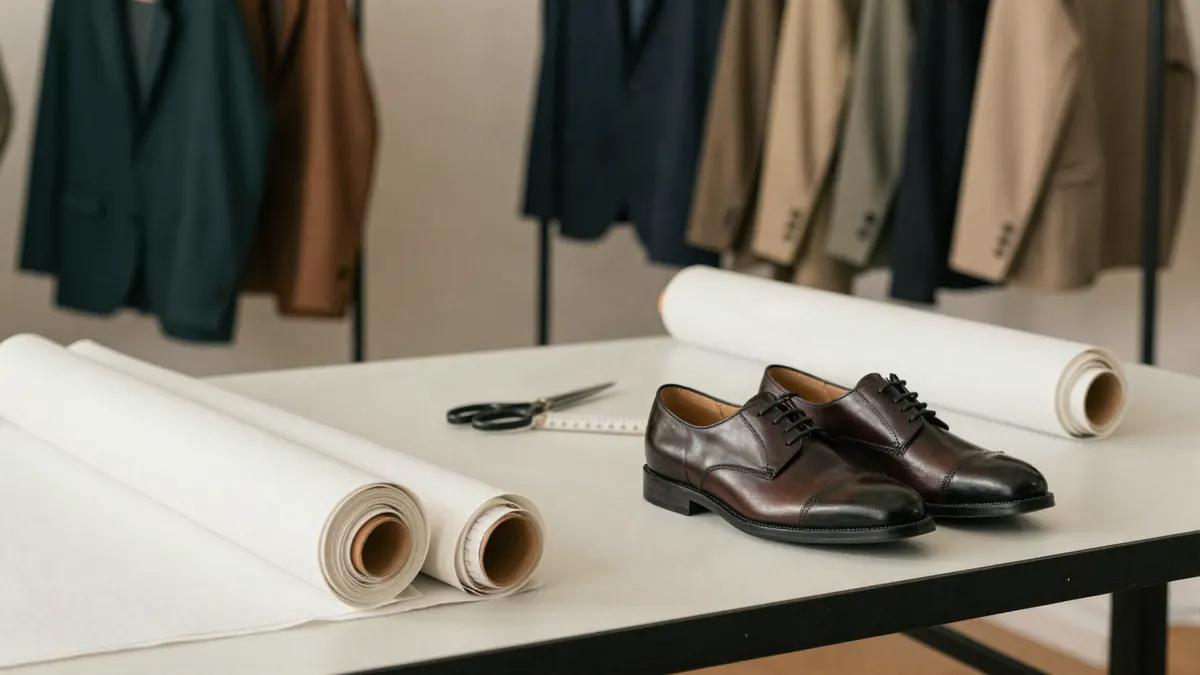
Chapter 61 covers knitted and crocheted apparel: coats, shirts, underwear, hosiery, and accessories. The United States is the largest importer at 46.6 billion USD annually, followed by Germany and France. Spain itself imports 11.8 billion USD per year, making it both a competitive market and a significant buyer for European suppliers.
Fact sheet
- Code
- 61
- Sector
- Fashion and Textiles
Main importing markets
USD · 2025| Country | Imports (USD) |
|---|---|
| United States | 46,637,626,231 |
| Germany | 25,203,007,089 |
| France | 13,675,367,500 |
| Japan | 12,848,214,557 |
| United Kingdom | 11,982,641,946 |
| Spain | 11,755,074,010 |
| Italy | 10,687,277,140 |
| Poland | 9,411,244,320 |
| Netherlands | 9,094,583,212 |
| Canada | 6,524,915,721 |
| South Korea | 5,142,131,349 |
| Australia | 4,191,815,433 |
| Switzerland | 4,183,371,104 |
| Austria | 4,032,380,506 |
| China | 3,859,544,740 |
Imports declared by each country from the world. Countries report with a delay: the period is the latest with consolidated data.
Source: UN ComtradeData for 2025Verified on 27 September 2026
Headings in this chapter
- Coats; men's or boys' overcoats, car-coats, capes, cloaks, anoraks, ski-jackets, wind-cheaters, wind-jackets and similar articles; knitted or crocheted, other than those of heading no. 6103Heading 6101
- Coats; women's or girls' overcoats, car-coats, capes, cloaks, anoraks, ski-jackets, wind-cheaters, wind-jackets and similar articles, knitted or crocheted, other than those of heading no. 6104Heading 6102
- Suits, ensembles, jackets, blazers, trousers, bib and brace overalls, breeches, shorts (not swimwear); men's or boys', knitted or crochetedHeading 6103
- Suits, ensembles, jackets, dresses, skirts, divided skirts, trousers, bib and brace overalls, breeches and shorts (not swimwear), women's or girls', knitted or crochetedHeading 6104
- Shirts; men's or boys', knitted or crochetedHeading 6105
- Blouses, shirts and shirt-blouses; women's or girls', knitted or crochetedHeading 6106
- Underpants, briefs, nightshirts, pyjamas, bathrobes, dressing gowns and similar articles; men's or boys', knitted or crochetedHeading 6107
- Slips, petticoats, briefs, panties, nightdresses, pyjamas, negligees, bathrobes, dressing gowns and similar articles; women's or girls', knitted or crochetedHeading 6108
- T-shirts, singlets and other vests; knitted or crochetedHeading 6109
- Jerseys, pullovers, cardigans, waistcoats and similar articles; knitted or crochetedHeading 6110
- Garments and clothing accessories, babies'; knitted or crochetedHeading 6111
- Track suits, ski suits and swimwear; knitted or crochetedHeading 6112
- Garments made up of knitted or crocheted fabrics of heading no. 5903, 5906 and 5907Heading 6113
- Garments; knitted or crocheted, n.e.c. in chapter 61Heading 6114
- Hosiery; panty hose, tights, stockings, socks and other hosiery, including graduated compression hosiery (for example, stockings for varicose veins) and footwear without applied soles, knitted or crochetedHeading 6115
- Gloves, mittens and mitts; knitted or crochetedHeading 6116
- Clothing accessories; made up, knitted or crocheted, knitted or crocheted parts of garments or of clothing accessoriesHeading 6117
Trade fairs in this sector
- LINEAPELLE
- MICAM Milano
- MOMAD, Salón Internacional de Moda, Calzado y Accesorios
- Pitti Immagine Uomo
- Première Vision Paris
- Techtextil
- Texworld Apparel Sourcing Paris
What you need to check before exporting
Chapter 61 groups knitted garments by type and gender: coats, shirts, underwear, hosiery, and accessories. The specific tariff rate depends on the exact subheading, the destination country, and any preferential trade agreement in force. Check Access2Markets or the destination country's customs portal for the exact duty applicable to your product and buyer location.
Labelling requirements vary by market. The US, EU, and UK all require fibre composition and country of origin declarations on the product and packaging; format and language rules differ. Request the buyer's specifications in writing before production to avoid rejection at customs.
Knitted apparel often requires compliance with chemical and safety standards. The EU has stricter limits on certain dyestuffs and heavy metals; the US has flammability requirements for children's sleepwear. Ask the importer which standards apply to their market and request test reports from your supplier.
Lead times matter. Knitted garments are typically made to order; US and Northern European buyers often require 60–90 day lead times, while some markets accept shorter windows. Agree timelines and modify terms in writing before committing to production.
Common questions
What is the difference between Chapter 61 and Chapter 62?
Chapter 61 covers garments made from knitted or crocheted fabric. Chapter 62 covers garments cut and sewn from woven fabric. The distinction determines tariff classification and applies at the point of import. If you weave or knit the fabric yourself, confirm with the buyer's customs broker which chapter applies to your final product.
Do I need certification to export knitted apparel?
Certification depends on destination and product type. Children's garments in the US require flammability testing; the EU requires CE marking for certain chemical limits. Adult garments generally require fibre content labelling and country of origin marking, but not a separate certificate. Ask your buyer which standards and test reports they need before you produce.
Which markets should I target first?
The United States, Germany, and France are the three largest importers by volume. However, tariff rates and import procedures vary significantly: the US applies different duties than the EU, and lead times and payment terms differ by region. Start with a market where you have a contact or where a distributor can introduce you to buyers; scale to others once you understand local requirements.
How do I know if my price is competitive?
Pricing depends on fibre blend, construction, and buyer volume. Request price quotes from competitors at the same quality level and minimum order quantity. Trade fairs like Première Vision and Texworld Apparel Sourcing show current market prices and help you connect with buyers who know your cost structure.
Bring this analysis to your product
Create your free account: Exporta.ai reads your website, detects your HS code and tells you which markets to export to, with official data.