
Meat of sheep or goats; fresh, chilled or… (heading 0204): importing markets
HS 0204 covers fresh, chilled and frozen sheep and goat meat. Global imports reached USD 14.5 billion in 2025, led by the United States, France and…
Published on 27 September 2026Updated on 27 September 2026
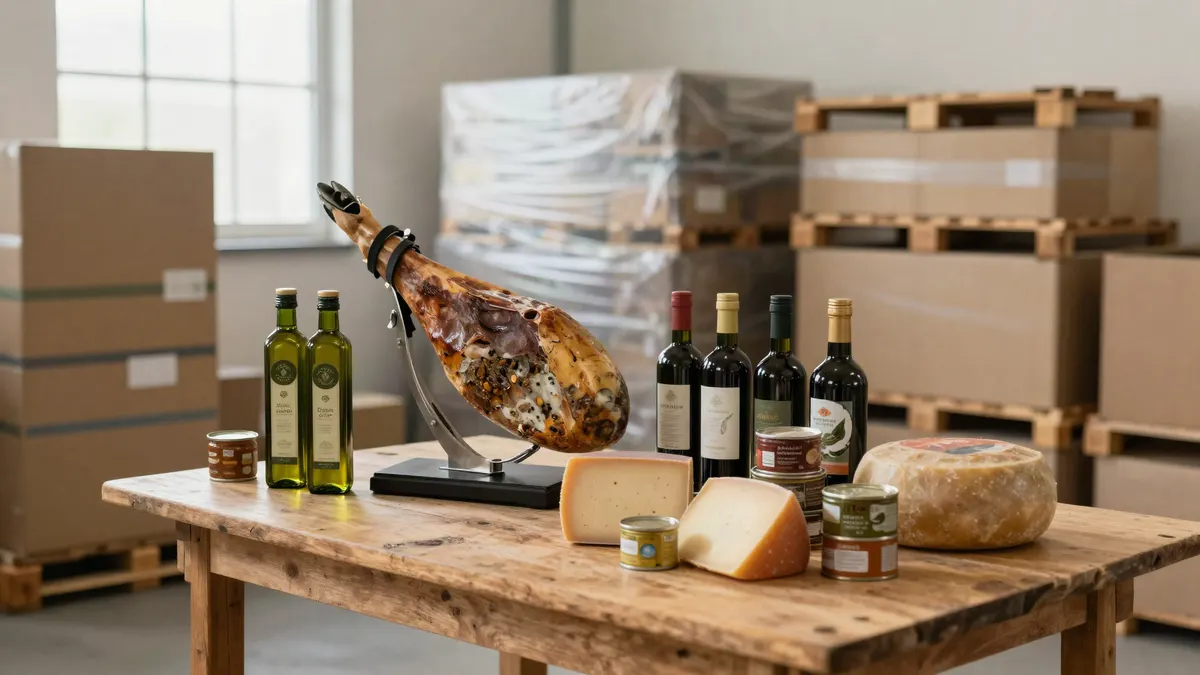
HS 0204 covers fresh, chilled and frozen sheep and goat meat. Global imports reached USD 14.5 billion in 2025, led by the United States, France and China. Spain is a significant exporter to EU and Gulf markets. To sell this product you need to verify tariffs by destination, check veterinary certifications and ensure cold chain compliance.
Fact sheet
- Code
- 0204
- Chapter
- 02 · Meat and edible meat offal
- Subheadings
- 9
Main importing markets
USD · 2025| Country | Imports (USD) |
|---|---|
| United States | 1,722,350,697 |
| France | 1,194,202,660 |
| China | 1,193,890,315 |
| United Kingdom | 570,069,244 |
| Germany | 563,646,929 |
| Netherlands | 389,342,088 |
| Saudi Arabia | 344,951,444 |
| Canada | 297,572,870 |
| Italy | 279,188,173 |
| Malaysia | 272,248,266 |
| South Korea | 265,885,155 |
| Kuwait | 219,672,039 |
| Japan | 200,491,835 |
| Belgium | 165,129,423 |
| Qatar | 151,082,533 |
Imports declared by each country from the world. Countries report with a delay: the period is the latest with consolidated data.
Source: UN ComtradeData for 2025Verified on 22 September 2026
What you need to know before exporting
HS 0204 splits into nine subheadings that determine the tariff your buyer pays. The subheading depends on the animal type (sheep or goat), whether the meat is carcass or cut, and if it is bone-in or boneless. Always confirm which subheading applies to your product before quoting.
The applicable tariff rate varies by destination country and by trade agreement. The EU, UK, US, Canada and many Gulf states have different schedules. Check the tariff in Access2Markets by entering your destination and the exact subheading; the result shows both MFN rates and preferential rates under active agreements.
Veterinary certification is mandatory for all destinations outside Spain. Your exporter number and your supplier's registration in the official SANMAE database must be current. The certificate of origin and health certificate travel with the shipment and are verified by the importing country's customs or veterinary authority.
Cold chain is non-negotiable. Meat must be kept below the required temperature from packaging to final delivery. Any break in temperature is grounds for refusal at the border. Document every step: packaging date, transport refrigeration, storage conditions and final delivery temperature.
Lead times vary by route. EU shipments move faster; intercontinental shipments can take two to four weeks depending on port congestion, customs processing and local distribution. Factor this into your pricing and delivery promises to avoid penalties.
Frequently asked questions
Which countries import the most sheep and goat meat?
The United States leads with USD 1.7 billion in 2025, followed by France (USD 1.2 billion) and China (USD 1.2 billion). The UK, Germany, Netherlands and Saudi Arabia are also major importers. These rankings shift yearly based on production cycles and trade policy, so confirm current demand before targeting a new market.
Do I need different certificates for different buyers?
The health certificate is country-specific: the importing country's veterinary authority issues its own format and requirements. Your export health certificate from Spain is the starting document, but the importer may request additional certifications depending on their market rules. Ask the buyer what their country requires before you ship.
How do I find the right tariff code for my product?
Start with the nine subheadings under HS 0204 in your invoice. Identify your product by animal (sheep or goat), presentation (carcass, half-carcass, cuts) and bone content. Then enter that subheading and the destination country into Access2Markets to see the tariff. If you are unsure which subheading fits, ask your customs broker or contact your regional chamber of commerce.
What happens if the meat loses temperature during transport?
Temperature excursions are recorded by the cold chain monitor that must travel with the shipment. If the temperature rises above the limit, the importer can refuse delivery or demand a price reduction. To avoid this, use shippers with proven cold chain management, real-time tracking and insurance that covers temperature failure.
Bring this analysis to your product
Create your free account: Exporta.ai reads your website, detects your HS code and tells you which markets to export to, with official data.